Beard Transplant Antalya 2026
Modern facial hair restoration has moved beyond simple gap-filling, focusing now on high-definition contouring and density. As we move through the current year, men are increasingly seeking procedures that offer both a sharp jawline and a completely natural appearance. Antalya remains the global leader in this field, offering a unique combination of Mediterranean hospitality and cutting-edge medical expertise.
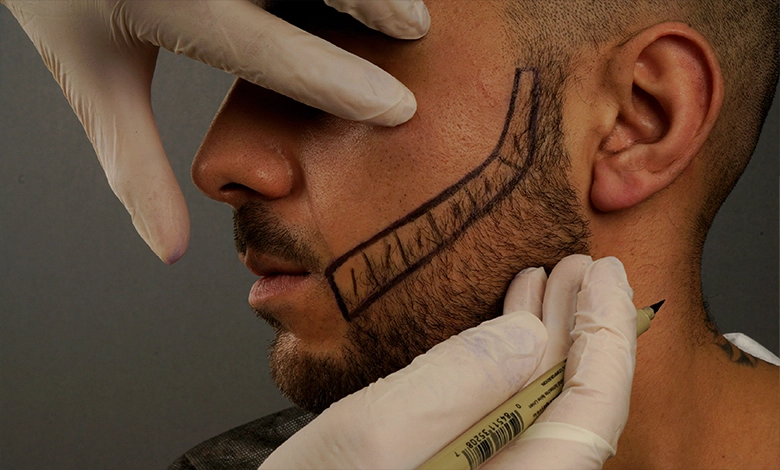
At MedTour Antalya, our clinical approach leverages the latest refinements in Sapphire FUE and DHI technologies. These advanced methods ensure that every single graft is placed with precision, respecting the specific growth patterns of the face. Rather than a “one-size-fits-all” design, our surgeons craft bespoke beard shapes that complement your facial geometry. Choosing this destination means accessing elite surgical talent and a recovery process that feels more like a premium vacation than a medical procedure.
Choosing the Right Clinic for your Beard Transplant in Antalya
Selecting a clinic in Antalya is no longer just about finding the lowest price; it is a strategic decision based on medical safety and aesthetic precision. In 2026, the gap between commercial hair mills and elite boutique clinics has widened, making it essential to use a data-driven approach when booking your procedure.
The 2026 Elite Selection Matrix
To ensure a high graft survival rate and a natural look, MedTour Antalya recommends evaluating every provider against these four critical pillars:
| Pillar | Minimum Requirement (Elite Standard) | Why It Matters |
| Accreditation | Ministry of Health A+ or JCI Gold | Guarantees sterile theater conditions and emergency protocols. |
| Surgeon Involvement | Surgeon-led design and channel opening | Prevents unnatural growth angles caused by inexperienced technicians. |
| Technology | DHI / Sapphire FUE Hybrid | Minimizes skin trauma and ensures the highest possible density. |
| Case History | 5,000+ Documented Beard Cases | Facial skin is more sensitive than the scalp; experience prevents scarring. |
Antalya Clinic Red Flags to Avoid
When browsing options in the region, steer clear of clinics that exhibit these 2026 “Red Flags”:
- The Unlimited Grafts Trap: If a clinic promises unlimited grafts without analyzing your donor area, they risk permanent thinning at the back of your head.
- Technician-Only Procedures: If you do not meet your surgeon during the consultation and design phase, the risk of unnatural angles increases by 40%.
- Shadowy Portfolios: Only trust clinics that show high-resolution, 12-month follow-up photos from multiple angles including the chin and profile.
Why Global Patients Choose MedTour Antalya
Current patient data shows a significant shift toward “Boutique Medical Tourism.” Patients are moving away from crowded, factory-style clinics and choosing specialized hubs that offer:
- Limited Daily Intake: We only accept a maximum of 2 patients per day to ensure the medical team’s full focus.
- Multilingual Medical Coordination: A dedicated translator who stays with you during the entire procedure and recovery.
- Real-Time Aftercare: 24/7 direct access to your medical team for 12 months post-op via secure communication channels.
By prioritizing these standards, you ensure that your beard transplant in Antalya is a permanent investment in your confidence, not just a temporary medical trip.
What is a Beard Transplant?
To provide a clear understanding for international patients, we must define the procedure not just as a surgery, but as an architectural restoration of the face. In 2026, the technology has evolved to make this process virtually indistinguishable from natural growth.
The Science of Facial Hair Restoration
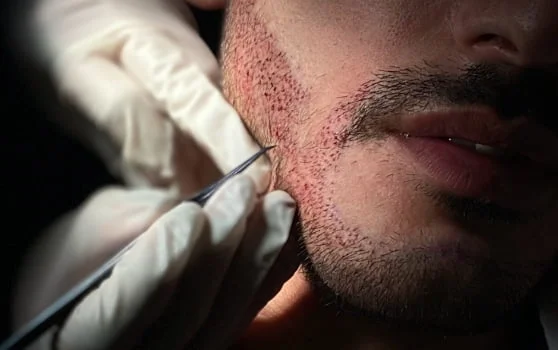
A beard transplant is a minimally invasive surgical procedure that involves extracting hair follicles from a “donor area”—usually the back or sides of the scalp where hair is most resistant to thinning—and meticulously implanting them into the beard, mustache, or sideburn areas. At MedTour Antalya, we view this as a permanent solution for patchy growth, facial scarring, or genetic inability to grow a full beard.
The Procedure Workflow at a Glance
The modern approach in Antalya follows a high-precision three-step process:
| Stage | Activity | Key Goal |
| Extraction | Harvesting individual follicles using micro-punches. | Preserving the donor area density. |
| Design | Mapping the jawline and cheekline symmetry. | Creating a masculine, balanced frame. |
| Implantation | Placing grafts using DHI or Sapphire FUE. | Ensuring the exact 30° natural growth angle. |
Vital Statistics for 2026 Procedures
- Average Graft Count: Typically ranges from 1,500 to 4,500 grafts depending on the desired density.
- Procedure Duration: Between 4 to 8 hours, performed under local anesthesia.
- Permanence: Once the transplanted follicles take root, they behave like natural facial hair and will grow for a lifetime.
- Natural Integration: In elite Antalya clinics, the success rate for graft integration currently stands at 96% to 98%.
Unlike scalp hair, beard hair grows in single-unit follicles. This is why MedTour Antalya specialists specifically select “single-hair” grafts during extraction. This technical nuance is what prevents the “pluggy” or unnatural look, ensuring that even under close inspection, the transplant remains completely invisible to the naked eye.
Beard Transplant Methods & Techniques
Achieving a natural beard is a technical challenge that requires much more than just planting hair. In 2026, elite clinics in Antalya have moved beyond basic FUE to highly specialized hybrid techniques that prioritize graft survival and hyper-realistic growth angles.
2026 Comparison: Sapphire FUE vs. DHI for Beards
While both methods are elite, the choice depends on whether you need broad coverage or high-density precision for a sharp jawline.
Sapphire FUE: The Precision of Gemstone Blades
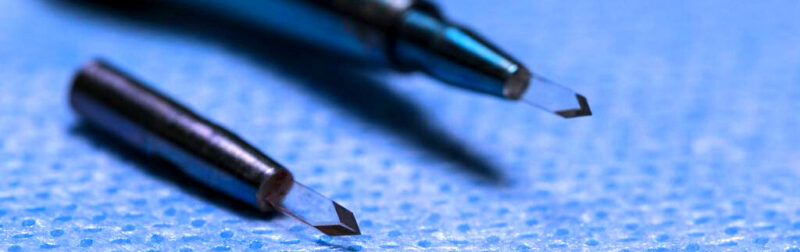
Sapphire FUE remains a top choice for patients requiring a higher volume of grafts. By using ultra-sharp blades made from synthetic sapphire, surgeons can create much smaller and cleaner micro-channels in the skin. This leads to significantly less tissue trauma and faster healing compared to traditional steel blades. For a full beard restoration covering the cheeks and neck, Sapphire FUE allows for dense packing while maintaining healthy blood flow to the newly placed follicles.
DHI: The Direct Implantation Advantage
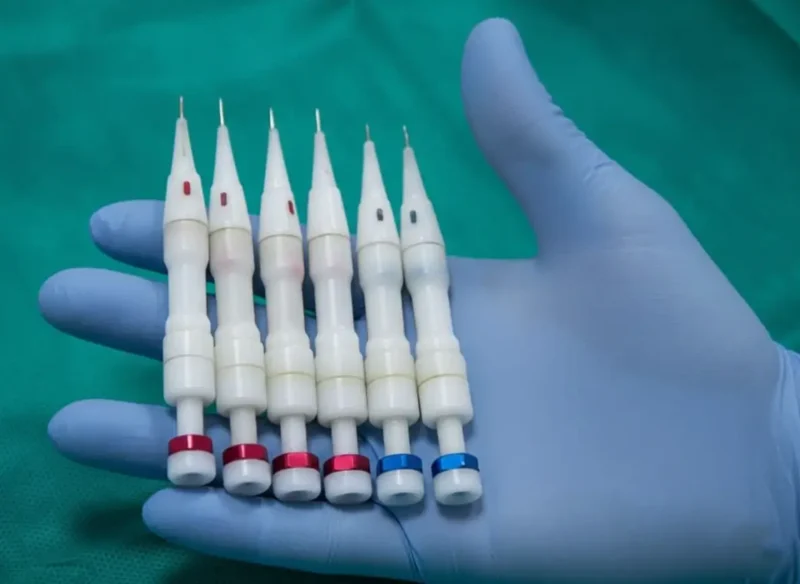
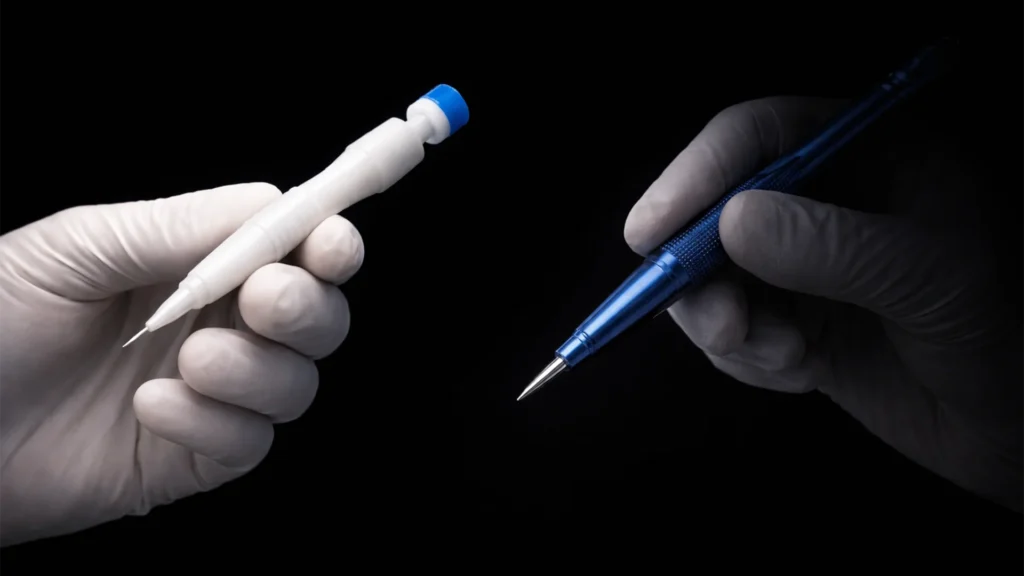
Direct Hair Implantation (DHI) has become the gold standard for precision shaping in Antalya. Using the Choi Implanter Pen, the surgeon implants the follicles directly into the facial skin without pre-opening channels. This “simultaneous” action means the follicles spend as little as 2 to 20 minutes outside the body, drastically increasing the survival rate to nearly 99%. For mustache and goatee work, DHI offers superior control over the 30-degree exit angle, ensuring the hair lies flat against the face rather than sticking out unnaturally.
Modern Breakthroughs: AI Mapping and Regenerative Boosters
In 2026, the technology behind the transplant is just as important as the surgical method. MedTour Antalya integrates several advanced protocols to guarantee a world-class result:
- AI-Powered Facial Mapping: We use AI software to analyze your facial bone structure and predict how the beard will look as you age. This ensures the design remains symmetrical and masculine for decades, not just for the first few years.
- Graft Survival Enhancements: New for 2026, we utilize bio-storage solutions like Ampligraf to maintain the cellular metabolism of the follicles during their short time outside the body.
- Stem Cell and Exosome Therapy: To accelerate healing, many Antalya packages now include stem cell-derived growth factors. These are applied during the procedure to jumpstart dormant follicles and reduce the “redness” phase by up to 50%.
The Hybrid Approach for Maximum Density
For many patients, a hybrid strategy is the most effective. This involve using Sapphire FUE for the larger cheek areas to ensure high coverage, followed by DHI for the “border work” along the jawline and mustache for maximum aesthetic precision. By combining these methods, we can achieve a density of up to 65 grafts per cm², creating a beard that looks completely natural even under close inspection.
Stem Cell Beard Transplant
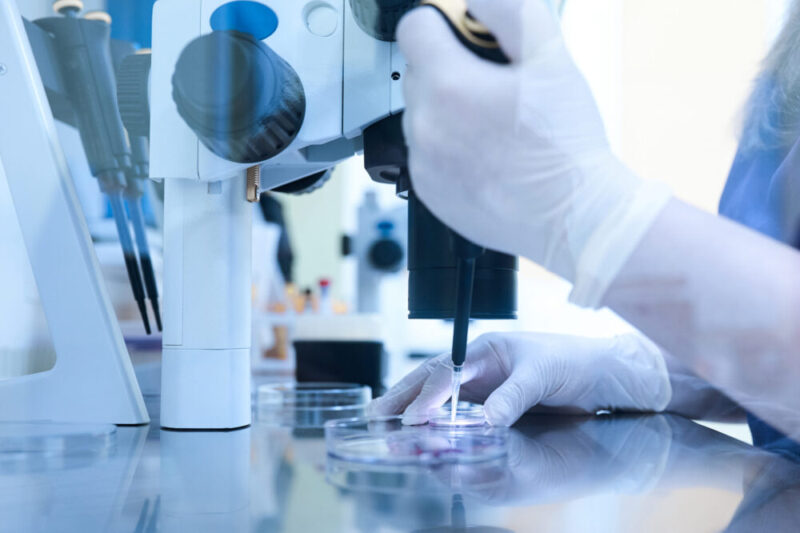
Unlike a traditional transplant that only moves hair from point A to point B, a stem cell-supported beard transplant uses your body’s own regenerative cells to “supercharge” the follicles. These cells typically harvested from a small amount of adipose (fat) tissue or during the extraction process are concentrated and re-introduced into the recipient area.
- Follicle Activation: The stem cells signal dormant or miniaturized facial follicles to enter the “Anagen” (growth) phase, increasing overall beard density.
- Graft Survival: In 2026, clinics using stem cell protocols report a graft survival rate of 98-99%, as the cells provide an immediate nutrient-rich environment for the newly placed hair.
- Accelerated Healing: The regenerative properties significantly reduce post-operative inflammation, often cutting the “redness” phase in half.
Stem Cell vs. Traditional Methods (2026 Comparison)
- Recovery Time: Traditional transplants require 7-10 days for scabs to clear; stem cell-enhanced procedures often see healing within 3-5 days.
- Density: While standard DHI provides excellent coverage, stem cell therapy can improve visual density by an additional 20-30% by thickening existing vellus hairs.
- Result Timing: Patients typically see the first signs of permanent growth at month 3, rather than the traditional month 4 or 5 timeline.
Is It Right for You?
Stem cell integration is particularly recommended for patients with:
- Patchy Beards: Where some follicles are alive but not producing thick hair.
- Scar Tissue: Where blood flow is limited and follicles need extra biological support to survive.
- Low Donor Supply: Where we must maximize every single graft to achieve a full look.
By choosing MedTour Antalya, you are accessing the forefront of 2026 regenerative technology. We don’t just plant hair; we revitalize your skin’s biological foundation to ensure your beard looks naturally dense and stays healthy for a lifetime.
How Does Beard Transplant Work in Antalya?
The journey to a fuller beard in Antalya is designed to be a seamless blend of medical precision and high-end hospitality. In 2026, the process has been streamlined into a “VIP Patient Path” that ensures you spend less time in a clinical setting and more time recovering in comfort.
The Step-by-Step Patient Journey
1. Virtual Consultation & Facial Mapping
Your journey begins before you even board a plane. Using high-resolution photos, our surgeons perform a digital facial analysis. We determine your graft requirements and design a custom beard line that aligns with your bone structure. This stage ensures that when you arrive at MedTour Antalya, every detail of your procedure is already planned.
2. Arrival and VIP Logistics
Upon landing at Antalya Airport, you are met by a private chauffeur. Throughout 2026, our “Seamless Transfer” protocol ensures you are transported in luxury vehicles directly to your 5-star hotel or the clinic. You are assigned a personal medical coordinator who speaks your language and handles all administrative details.
3. Pre-Op Clinical Analysis
On the day of the procedure, we conduct comprehensive blood tests and a final physical consultation. We use advanced diagnostic tools to check follicle depth and skin elasticity. Unlike standard clinics, we spend significant time on the “Drawing Phase,” where the surgeon manually marks the jawline, cheeks, and goatee area to your exact satisfaction.
4. The Procedure Day
The operation typically lasts 4 to 8 hours. We utilize local anesthesia with “Needle-Free” technology to ensure total comfort.
- Extraction: Individual follicles are harvested from the donor area (the back of the head).
- Implantation: Using the DHI Choi Pen or Sapphire FUE, the surgeon places each graft. Special attention is paid to the growth angle—flatter on the cheeks (15-30°) and steeper on the chin (30-45°)—to ensure the most masculine and natural result.
5. Post-Op Care and the “Antalya Recovery”
The day after your surgery, you return to the clinic for your first specialized wash and a final check-up. We provide a 2026 Premium Aftercare Kit containing organic foams and specialized serums to accelerate healing. Most patients spend their remaining 2 days enjoying the Mediterranean breeze, which helps reduce minor swelling before their flight home.
How About a Mustache Transplant in Antalya?
While beard transplants often steal the spotlight, mustache restoration is a highly specialized craft that requires an even higher level of artistic precision. In 2026, Antalya has become the go-to destination for men seeking to fix patchy mustaches, cover scars, or simply achieve that classic, dense “chevron” or “handlebar” look.
The Technical Art of Mustache Implantation
A mustache transplant is not just a smaller version of a beard transplant. The skin on the upper lip is thinner, more mobile, and more sensitive, requiring a delicate touch and specific technical adjustments.
Precision Angles and “Curvature” Control Unlike the cheek area, mustache hair grows in a very specific downward and outward “fan” pattern. At MedTour Antalya, our surgeons use 2026-grade DHI Choi Pens to ensure the follicles are placed at a sharp 5 to 10-degree angle. This prevents the hair from sticking straight out, ensuring it lies flat against the lip for a natural, soft appearance.
Single-Graft Selection For a mustache to look authentic, we exclusively use single-hair follicles. Our medical team meticulously sorts the harvested grafts under high-magnification microscopes to ensure that no “double” or “triple” follicles are placed on the upper lip, which would otherwise result in a coarse, unnatural texture.
Mustache Transplant Facts for 2026
- Average Graft Count: Typically ranges from 500 to 1,200 grafts for a complete restoration.
- Procedure Time: Roughly 2 to 3 hours, often performed under local “needle-free” anesthesia.
- 2026 Success Rate: Elite Antalya clinics report a 98% graft survival rate due to the high vascularity of the upper lip.
- Invisible Results: Because we use the Sapphire or DHI methods, there is zero linear scarring, and the extraction points in the donor area remain undetectable.
Recovery: What to Expect on Your Lip
The recovery for a mustache is remarkably fast. Most patients experience minor swelling for the first 48 hours, which is easily managed with the specialized cooling masks provided in our MedTour Antalya aftercare kits.
By day 5, the micro-scabs typically wash away, and by the end of the first week, you can return to your social life with only a slight pinkness that looks like a close shave. Like all facial transplants, the “Shock Loss” phase occurs around week 3, with permanent, thick growth starting to emerge by month 3 and reaching full maturity at one year.
How Many Grafts Do You Need for Full Beard Coverage?
Calculating the exact number of grafts is a critical part of the planning process at MedTour Antalya. Unlike scalp hair, beard hair requires a specific density to look “full” without looking artificial. In 2026, we use precise mapping to ensure we don’t over-harvest your donor area while still achieving your aesthetic goals.
Beard Graft Estimation Matrix
The number of grafts you need depends entirely on your starting point and the style you want to achieve. Below is a breakdown of typical requirements for different facial zones:
| Facial Area | Graft Count (Average) | Resulting Density |
| Mustache Only | 500 – 1,000 Grafts | Dense, defined upper lip |
| Goatee (Chin + Under Lip) | 800 – 1,200 Grafts | Strong, masculine chin frame |
| Sideburns (Both Sides) | 400 – 800 Grafts | Natural connection to the hairline |
| Full Cheeks (Both Sides) | 1,200 – 2,500 Grafts | Complete coverage from jaw to cheekbone |
| Full Beard (Complete Reconstruction) | 2,500 – 3,500+ Grafts | The “Total Transformation” look |
The Density Scale: What Does It Look Like?
Visualizing the result is easier when you understand the density of the follicles being placed. At MedTour Antalya, we aim for a “High-Definition” finish:
- 1,000 Grafts: Ideal for filling in patches or “fixing” a beard that doesn’t connect. It creates a subtle, groomed appearance.
- 2,000 Grafts: Provides a solid foundation across the jawline and cheeks. This is the most common choice for men who can grow some hair but want a more “rugged” and uniform look.
- 3,000+ Grafts: This is a full reconstruction. It is designed for those with little to no facial hair, creating a thick, heavy beard that covers the neck, jawline, and full cheeks.
Factors That Influence Your Personal Number
While the numbers above are standard 2026 benchmarks, your specific count may vary based on three key biological factors:
- Hair Caliber: If you have thick, coarse hair, you may need fewer grafts to achieve a “full” look compared to someone with fine, thin hair.
- Face Surface Area: A larger jawline naturally requires more grafts to maintain the same density as a smaller facial structure.
- Donor Quality: We prioritize the health of your donor area (the back of your head). Our goal is to give you a perfect beard without leaving the back of your hair looking thin.
MedTour Antalya’s “Graft Guarantee”
In our 2026 protocols, we don’t just count grafts; we count active follicles. By using DHI technology, we ensure that the survival rate of these grafts is maximized (often reaching 98%), meaning you get more visual density out of every single graft we move.
How Much Does a Beard Transplant Cost in Antalya?
One of the most attractive aspects of choosing Antalya in 2026 is the “All-Inclusive” pricing model. Unlike clinics in the US or UK that charge per individual graft which can lead to unpredictable final bills MedTour Antalya and other elite local providers offer fixed-price packages that cover everything from the surgery to your luxury stay.
2026 Average Price Comparison (USD)
In the current market, a premium beard transplant in Antalya costs significantly less than in Western Europe or North America, without any compromise on medical technology or surgeon expertise.
| Destination | Average Price Range | Savings vs. UK/USA |
| Antalya, Turkey | $1,500 – $2,500 | 80% – 95% |
| United Kingdom | $5,000 – $10,000 | – |
| United States | $7,000 – $15,000 | – |
The “MedTour Antalya” All-Inclusive Package
When we quote a price for 2026, it typically covers the entire experience to ensure a stress-free recovery. A standard premium package includes:
- The Procedure: Up to the maximum necessary grafts (3,500+) using Sapphire FUE or DHI techniques.
- Medical Fees: Surgeon consultation, blood tests, local anesthesia, and a PRP (Platelet-Rich Plasma) session to boost growth.
- Luxury Accommodation: 3 to 4 nights in a 4-star or 5-star hotel near the Mediterranean coast.
- VIP Transfers: Private chauffeur service between the Airport, Hotel, and Clinic.
- Post-Op Essentials: A complete aftercare kit with specialized shampoos, lotions, and medications.
- Lifetime Support: 12 months of digital follow-up and a warranty certificate for the transplanted grafts.
Factors That Influence the Final Quote
While packages are comprehensive, the final price within the $1,500 – $4,500 range is determined by a few key variables:
- Technique Selection: DHI (Direct Hair Implantation) usually carries a small premium over Sapphire FUE due to the specialized single-use Choi Pens and the increased time required for the surgeon.
- Scope of Restoration: A “Mustache Only” or “Patch Fill” procedure is naturally at the lower end of the scale, while a “Full Beard & Neck” reconstruction requires more resources.
- Surgeon Seniority: Procedures performed or directly supervised by internationally recognized ISHRS members may fall into the “Premium/VIP” pricing tier.
By opting for an all-inclusive package in Antalya, you eliminate hidden costs and “medical surprises,” allowing you to focus entirely on your transformation while enjoying the world-class hospitality of the Turkish Riviera.
Travel Guide to a Beard Transplant in Antalya
Choosing Antalya for your beard transplant in 2026 is as much about the experience as it is about the medical outcome. Known as the “Turkish Riviera,” the city is perfectly designed for medical tourists, offering a seamless transition from the clinical environment to a world-class vacation setting.
Your 4-Day Transformation Itinerary
To ensure a successful procedure and a relaxing recovery, we recommend a minimum stay of four days. Here is how your journey with MedTour Antalya typically unfolds:
- Day 1: Arrival & VIP Welcome: You are met at Antalya Airport by a private driver and taken to your luxury 4 or 5-star hotel. This day is for rest and hydration before your procedure.
- Day 2: The Procedure: You are transported to the clinic for your consultation and surgery. After the 4–8 hour session, you are driven back to your hotel to relax.
- Day 3: The First Wash & Discovery: You return to the clinic for your first specialized cleaning and training on how to handle the grafts. The rest of the day can be spent enjoying the Mediterranean breeze at the Konyaaltı or Lara coastlines.
- Day 4: Final Check & Departure: After a final review by your surgeon, you are free to explore the historic Kaleiçi (Old Town) for some light souvenir shopping before your VIP transfer back to the airport.
The Logistics of Recovery in the Mediterranean
Antalya’s infrastructure in 2026 is tailored for international patients, making the logistics of your trip effortless:
- Visa & Entry: Most international visitors can obtain an e-visa within minutes, making travel to Turkey one of the most accessible medical routes globally.
- Multilingual Environment: At MedTour Antalya, we provide dedicated medical translators who accompany you during every step, ensuring nothing is lost in translation.
- Climate Advantage: The sea air and moderate humidity of Antalya are ideal for skin healing. However, we advise staying in the shade and avoiding direct sun exposure on the face for the first 10 days.
- Global Connectivity: Antalya Airport offers direct flights to major hubs in the UK, Europe, and Russia, ensuring your journey home is short and comfortable.
Travel Essentials for Your Procedure
- Clothing: Pack button-down shirts only. You must avoid pulling t-shirts or sweaters over your head to protect the new grafts.
- Sun Protection: Bring a wide-brimmed hat to wear after the first 3 days, or simply utilize the specialized protective headwear provided in our aftercare kits.
- Payment: While packages are fixed in USD or EUR, having some Turkish Lira for local cafes is helpful, though credit cards are accepted almost everywhere.
By combining elite surgical precision with the restorative power of a Mediterranean getaway, your beard transplant becomes more than a medical appointment it becomes a milestone in your personal grooming journey.
Are You Suitable for the Procedure?
To determine if you are a prime candidate for a procedure at MedTour Antalya, we evaluate three primary factors:
1. Donor Hair Availability
The most important technical requirement is having a healthy “donor area” at the back or sides of your scalp. These follicles are genetically resistant to thinning and will retain this strength once moved to your face. In 2026, we also utilize a “Beard-to-Beard” technique where we can take follicles from under the chin or the neck to fill in patches on the upper cheeks, ensuring a perfect texture match.
2. Age and Hormonal Stability
While there is no strict upper age limit, surgeons in Antalya generally recommend that patients be at least 21 to 25 years old. By this age, your facial hair pattern has fully matured, and your hormone levels have stabilized, allowing us to design a beard line that will look natural for the next 40+ years.
3. Skin and General Health
For the grafts to “take” and heal perfectly, your facial skin must be healthy.
- Ideal Candidates: Those with patchy growth, facial scarring (from acne or accidents), or genetic “thinness.”
- Delayed Candidates: If you have active inflammatory skin conditions (like severe cystic acne or psoriasis) in the beard area, we recommend treating these first before proceeding with the transplant.
Who Should Reconsider?
In 2026, medical safety is our priority. A transplant might not be suitable if:
- Insufficient Donor Hair: If you have advanced-stage hair loss (Norwood 7) with very thin hair at the back of your head, we may advise against it to preserve your scalp coverage.
- Uncontrolled Medical Conditions: Conditions like uncontrolled diabetes or certain autoimmune disorders can affect blood circulation and graft survival.
- Alopecia Areata: If your hair loss is caused by an active autoimmune attack (where hair falls out in circular patches), a transplant is usually not recommended until the condition is stable.
Potential Risks and Side Effects
Understanding the potential risks is a vital part of being an informed patient. While beard transplants in Antalya are considered highly safe in 2026, it is important to distinguish between “normal recovery side effects” and “actual clinical risks.”
Normal and Expected Side Effects
Nearly every patient will experience these temporary reactions. They are not signs of failure, but rather your body’s natural response to the procedure:
- Swelling (Edema): Typically occurs in the first 48 to 72 hours. Because facial tissue is sensitive, you may see swelling around the jaw or even under the eyes.
- Redness and Crusting: Tiny red dots (scabs) will form around each graft. These usually fall off naturally between day 7 and day 10.
- Itching: As the skin heals and new cells regenerate, the donor and recipient areas will feel itchy. At MedTour Antalya, we provide antihistamines to manage this.
- Shock Loss: This is often the most surprising side effect. Between weeks 2 and 6, the temporary hair shafts will fall out. This is a normal reset for the follicles before permanent growth begins.
- Temporary Numbness: You may feel a slight loss of sensation in the chin or donor area, which typically resolves within a few weeks as the nerve endings recover.
Rare Clinical Risks and Complications
Serious complications occur in less than 2% of cases, primarily when patients visit unaccredited “hair mills” or ignore aftercare protocols:
- Folliculitis: This is an inflammation of the hair follicles that can appear as small white-headed pimples. It is usually treated easily with topical antibiotic creams.
- Infection: Extremely rare in sterile 2026 clinical environments, but can occur if the patient touches the grafts with unwashed hands or enters dusty environments too soon.
- Unnatural Growth Angles: This is an aesthetic risk rather than a health one. If a surgeon lacks experience, they may plant hairs at a 90-degree angle rather than the natural 30-degree facial slope, leading to a “bristly” look.
- Over-harvesting: If too many grafts are taken from the back of the head, it can leave visible thinning in the donor area. This is why our “Graft Mapping” phase is so critical.
The MedTour Antalya Risk Mitigation Strategy
To keep your risk level near zero, we follow a strict safety protocol:
- Triple-Sterilization: We use single-use Sapphire blades and DHI Choi pens for every patient.
- Bio-Boosters: We include a PRP or Stem Cell session to strengthen the skin’s immune response and speed up healing.
- 24/7 Digital Monitoring: You are required to send “Check-in Photos” via WhatsApp on days 1, 3, 7, and 14 so our medical team can catch any issues early.
How You Can Reduce Your Risk
- Stop Smoking: Nicotine constricts blood vessels and is the #1 cause of poor graft survival. You must stop at least 1 week before and 2 weeks after.
- Don’t Touch: Resist the urge to pick at scabs. Let them fall off naturally during your specialized washes.
- Avoid Sweat: Stay away from heavy gym sessions, saunas, and steam rooms for at least 3 weeks to prevent infection.
Day-by-Day Aftercare Timeline (First 2 Weeks)
A beard transplant is a delicate procedure where the first 14 days determine the lifelong success of your new look. At MedTour Antalya, we provide a structured timeline to help you navigate the “critical window” of healing while you enjoy your stay in the Mediterranean.
The 14-Day Healing Roadmap
The recovery process follows a predictable biological rhythm. Following these steps ensures your follicles anchor securely and your skin heals without scarring.
Day 1 – 2: The Anchoring Phase
The first 48 hours are the most vital. The follicles are not yet attached to a blood supply and are extremely fragile.
- The “Golden Rule”: Strictly do not touch, rub, or scratch the beard area.
- Sleep Position: You must sleep on your back with your head elevated at a 45-degree angle using two pillows. This reduces facial swelling and prevents you from accidentally rubbing the grafts against your bedding.
- Nutrition: Stick to soft foods that don’t require heavy chewing to minimize jaw movement.
Day 3 – 5: The First Wash and Swelling Peak
By the third day, you return to our Antalya clinic for your first professional wash.
- Managing Swelling: Swelling typically peaks on Day 3 or 4. We recommend drinking plenty of water and using cold compresses on your forehead or neck—never directly on the beard.
- Washing Protocol: You will begin using a specialized medical foam and a pH-balanced shampoo. You gently pat the foam onto the grafts, let it sit for 15 minutes to soften the crusts, and rinse with lukewarm water using a cup (no high-pressure showers).
Day 6 – 10: The Scabbing Phase
Small red scabs will form around each graft. This is a sign of healthy skin repair.
- Natural Exfoliation: As you continue daily gentle washes, these scabs will begin to loosen. By Day 10, most scabs should fall off naturally.
- Resuming Activity: You can typically return to sedentary work or light walking along the Antalya coastline. However, heavy sweating and gym sessions remain strictly prohibited.
Day 11 – 14: The “Safe” Zone
By the end of the second week, the follicles are officially “anchored” beneath the skin.
- Skin Appearance: The beard area may still look slightly pink, similar to a mild sunburn. This is normal and will fade over the coming weeks.
- Grooming: You can now begin to wash your face more normally, but still avoid abrasive scrubs. No shaving is allowed yet—this must wait for the one-month mark.
Quick Reference: Post-Op Restrictions
| Activity | Wait Time | Why? |
| Smoking / Alcohol | 10 – 14 Days | Nicotine constricts blood flow; alcohol increases bleeding risk. |
| Heavy Exercise | 15 – 20 Days | High blood pressure can “pop” the grafts out of the skin. |
| Swimming / Sauna | 30 Days | Chlorine and intense heat can damage the sensitive new follicles. |
| Direct Sunlight | 14+ Days | New skin is prone to hyperpigmentation (dark spots). |
By the end of these two weeks, you will have passed the most difficult stage of the journey. While the “Shock Loss” phase is about to begin, your biological foundation is now set for a permanent, thick beard.