Female Hair Transplant
Female hair restoration in 2026 has evolved far beyond traditional surgical methods, offering sophisticated solutions tailored specifically to the unique patterns of thinning in women. At MedTour Antalya, we understand that female hair loss is biologically different from male pattern baldness, often presenting as diffuse thinning across the crown rather than a receding hairline. Our specialized 2026 protocols prioritize volume, density, and natural aesthetics, ensuring that every patient can reclaim their confidence without the need for aggressive or visible surgical markers.
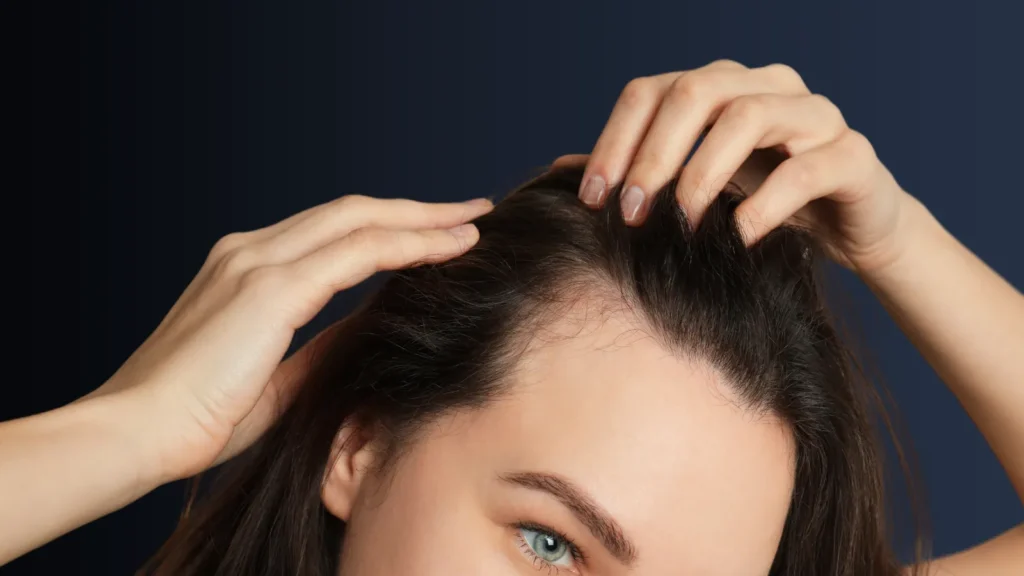
The 2026 Approach to Feminine Density
The modern female hair transplant is no longer just a medical procedure; it is a restorative art form. Whether your hair loss is driven by hormonal changes, genetics, or traction alopecia, the advanced techniques used in Antalya allow for precision that respects the delicate nature of feminine hair.
We utilize No-Shave DHI (Direct Hair Implantation) technology, which is the gold standard for women in 2026. This allows our surgeons to transplant follicles directly between existing hairs without cutting the surrounding hair short. This “stealth” approach means you can return to your social and professional life almost immediately, with no one knowing you’ve had a procedure.
Why Women Choose MedTour Antalya
- Discreet Procedures: Our non-shaving techniques ensure that the surgery remains your private secret.
- Hormonal Awareness: We combine transplants with regenerative therapies like Exosomes to address the underlying causes of female thinning.
- Artistic Hairline Design: We focus on softening the forehead and temple areas to create a youthful, natural frame for the face.
- Luxury Recovery: Your journey includes 5-star Mediterranean hospitality, allowing you to heal in a stress-free environment.
Facts About Hair Loss and Hair Transplants for Women
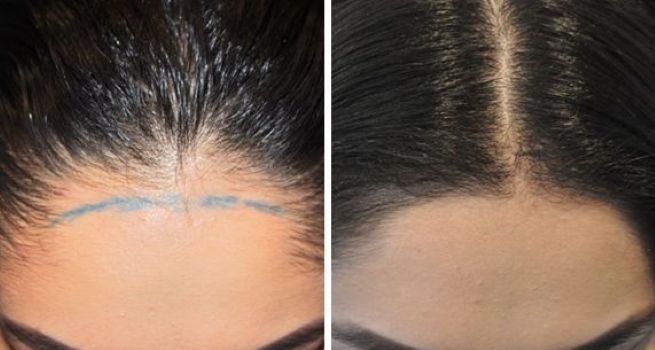
Understanding the reality of female hair loss is the first step toward effective restoration. In 2026, medical science has debunked many myths, revealing that women face unique biological challenges that require specialized surgical responses.
Crucial Facts for the 2026 Patient
1. Female Hair Loss is Often Diffuse
Unlike men, who typically lose hair in concentrated areas like the crown or temples, women usually experience diffuse thinning. This means the hair volume decreases across the entire top of the head while the frontal hairline remains intact. At MedTour Antalya, we use high-magnification mapping to identify these thinning zones and reinforce them without damaging existing healthy follicles.
2. Hormones Play a Leading Role
Female hair thinning is frequently linked to hormonal shifts, such as those during menopause, pregnancy, or thyroid imbalances. In 2026, we do not just perform a transplant; we evaluate your hormonal profile. This ensures that the transplanted hair thrives in a stable biological environment, leading to much higher long-term success rates.
3. The “No-Shave” Revolution
The biggest deterrent for women in the past was the requirement to shave the head. Today, our Unshaven DHI technique allows us to harvest and implant follicles while keeping your existing hair at its current length. This makes the procedure nearly impossible for others to detect.
Common Myths vs. 2026 Reality
| Myth | 2026 Medical Reality |
| “Transplants are only for men” | Women now make up nearly 30% of our hair restoration patients in Antalya. |
| “The results look unnatural” | Modern DHI allows for identical matching of hair growth angles and density. |
| “It’s extremely painful” | Needle-free anesthesia and Sapphire tools ensure a comfortable, painless experience. |
| “Hair will eventually fall out again” | Transplanted follicles are harvested from “permanent” zones and grow for a lifetime. |
The Role of Traction Alopecia
Many women seek our help for traction alopecia, which is hair loss caused by tight hairstyles, extensions, or chemical treatments. This type of loss is particularly responsive to transplantation. We can rebuild the edges of the hairline and temple areas, restoring a youthful frame to the face that years of tension may have pulled away.
Why Timing Matters
In 2026, early intervention is the gold standard. You do not need to wait until you have visible bald spots to seek a transplant. “Preventative Density Boosting” is a common protocol at MedTour Antalya, where we add follicles to thinning areas to maintain your natural volume before the loss becomes noticeable to others.
Male vs. Female Hair Transplant – What Is the Difference?
While the fundamental technology of moving follicles is similar, a hair transplant for a woman is a vastly different medical and artistic undertaking than it is for a man. In 2026, MedTour Antalya has pioneered gender-specific protocols that address these biological and aesthetic nuances.
Key Biological and Surgical Differences
| Feature | Male Hair Transplant | Female Hair Transplant (2026) |
| Primary Goal | Reconstructing bald areas (crown/temples) | Increasing overall density and volume |
| Loss Pattern | Predictable (Norwood Scale) | Diffuse thinning (Ludwig Scale) |
| Donor Stability | Usually very stable at back/sides | Requires deep analysis (May also be thinning) |
| Hairline Shape | Angular or “M-Shaped” | Soft, rounded, and feminine |
| Shaving | Full or partial shave is common | No-Shave DHI is the gold standard |
The Artistic Distinction: Hairline Design
For men, the goal is often a structured, masculine hairline with defined temple points. However, for a woman, a “straight” or “angular” hairline can look masculine and unnatural. In our Antalya clinic, we design female hairlines to be:
- Lower and Rounder: Softening the forehead area.
- Multi-Directional: Mimicking the subtle “swirls” and directional changes unique to female hair.
- Feathered: Using only single-hair follicles at the very front to ensure there is no harsh surgical line.
The “No-Shave” Priority
Perhaps the biggest difference in 2026 is the social aspect of recovery. Most men are comfortable with a buzzed haircut during their procedure. For women, this is rarely an option. Our Unshaven FUE and DHI techniques allow us to work around your existing long hair. This means you can leave the clinic with your hair at its original length, making the procedure your “private secret.”
Diagnostic Complexity
Male hair loss is almost always genetic (DHT-related). Female hair loss, however, is often a complex puzzle involving:
- Hormonal Shifts: Thyroid issues, menopause, or post-pregnancy changes.
- Nutritional Gaps: Iron (ferritin) or Vitamin D deficiencies.
- Traction: Damage from tight hairstyles or extensions.
Before we proceed with surgery at MedTour Antalya, we perform a comprehensive 2026 diagnostic panel to ensure that the transplant is the right solution for your specific biological profile.
The Conclusion for 2026
Men’s transplants are about restoration, while women’s transplants are about enhancement and preservation. By choosing a clinic that understands these gender-specific requirements, you ensure a result that doesn’t just grow hair, but restores your feminine identity.
How Does a Hair Transplant for Women Work?
The process of a female hair transplant in 2026 is a sophisticated, multi-stage journey designed to prioritize discretion and density. Unlike male procedures that often focus on filling bald spots, the female protocol at MedTour Antalya is a specialized “interstitial” surgery placing new life between existing strands to create a fuller, more voluminous look.
Stage 1: Digital Scalp Mapping and Design
Before a single hair is moved, we use 3D scalp imaging to map your current hair density. For women, this is crucial because we must identify where the “thinning zones” are most active. We then hand-draw a feminine hairline that is lower and more rounded than a masculine one, focusing on a soft, feathered transition that blends seamlessly with your face.
Stage 2: Discrete Micro-Harvesting
The biggest concern for our female patients is visibility. In 2026, we utilize the Unshaven FUE technique for harvesting:
- The “Window” Method: We shave only a small, narrow horizontal strip at the back of the head.
- Natural Concealment: Your existing long hair completely covers this area immediately after the procedure.
- Precision Extraction: We use sub-millimeter micro-punches to ensure the donor site heals within 48 hours with no visible change to your hairstyle.
Stage 3: The No-Shave DHI Implantation
This is the gold standard for women in 2026. Using Direct Hair Implantation (DHI) with specialized Choi pens, we can implant follicles directly into thinning areas without shaving the recipient zone.
- Angle Precision: Every hair is placed at a 10 to 15 degree angle to mimic the way female hair lies flat and flows naturally.
- Zero Damage: The precision of the DHI pen allows our surgeons to navigate between your existing long hairs, ensuring we don’t damage your healthy native follicles.
Stage 4: Bio-Stimulation Boost
To ensure the highest “take rate,” we often combine the procedure with Exosome Therapy or High-Concentration PRP. These 2026-tier treatments provide a surge of growth factors that help the new follicles anchor quickly and signal your existing thinning hair to enter the active growth phase.
The 2026 Procedure Snapshot
| Step | Technical Focus | Patient Experience |
| Anesthesia | Needle-free local numbing | Completely painless and relaxed |
| Implantation | DHI Choi Pen (0.6mm – 0.8mm) | No incisions, no scabs, no shaving |
| Duration | 4 to 6 hours | Relaxing with movies or music |
| Immediate Look | “Stealth” recovery | Hair remains long; surgery is invisible |
By utilizing this precise 2026 workflow, MedTour Antalya ensures that you don’t just get a hair transplant you get a density restoration that remains your private secret.
When Is One Suitable for a Female Hair Transplant?
In 2026, suitability for a female hair transplant is determined by a combination of biological stability and aesthetic goals. At MedTour Antalya, we use advanced diagnostic tools to ensure that a transplant is the most effective solution for your specific type of hair loss.
The Ideal Candidate Profile
Not every woman experiencing thinning is a candidate for surgery. Suitability is primarily based on the following factors:
Stable Donor Hair
A successful transplant requires a “permanent zone” at the back and sides of the head where the hair is thick and healthy. If your thinning is universal (affecting the donor area as well), a transplant may not be the best option. We perform a microscopic scalp analysis to ensure your donor follicles are robust enough to be relocated.
Localized or Patterned Thinning
Women who suffer from Ludwig Scale thinning (widening of the part line) or Traction Alopecia (receding temples due to tight hairstyles) are excellent candidates. Because these areas are clearly defined, we can target them with high precision to restore density.
Post-Menopausal or Hormonal Stability
While we treat women of various ages, those whose hair loss has stabilized after hormonal shifts—such as menopause—often see the most predictable and long-lasting results. If your hair loss is currently in an active, aggressive shedding phase, we may recommend stabilizing it with regenerative therapies before proceeding with surgery.
Checklist for Suitability
| Requirement | Why It Matters |
| Healthy Scalp | The skin must be free of active infections or inflammatory conditions like Psoriasis. |
| Realistic Expectations | Transplants increase density but cannot recreate the exact hair volume of your teenage years. |
| Good General Health | Managing underlying conditions like iron deficiency or thyroid issues ensures the best “take rate.” |
| Discreet Goals | If you need to return to work without visible signs of surgery, our No-Shave DHI makes you a perfect candidate. |
When a Transplant Might NOT Be Suitable
There are specific cases where we might advise against a transplant in favor of non-surgical 2026 regenerative treatments:
- Alopecia Areata: Since this is an autoimmune condition, the body may attack transplanted follicles just as it did the original ones.
- Temporary Shedding (Telogen Effluvium): If your hair loss is caused by sudden stress or a temporary medical event, it will likely regrow naturally without surgery.
- Insufficient Donor Density: If the hair at the back of your head is too thin, harvesting follicles could result in visible thinning in the donor area.
The 2026 Consultation Process
The only way to be 100% certain of your suitability is through a professional evaluation. At MedTour Antalya, we offer digital consultations where we review your photos and medical history to create a bespoke plan. If you are a match, we can combine your transplant with Exosome Therapy to give your results a biological “turbocharge.”
Female Hair Transplant Aftercare
Effective aftercare is the most critical phase for women undergoing a hair transplant in 2026. Because our No-Shave DHI technique allows you to keep your existing hair long, the recovery is discreet, but the underlying follicles require precise care to anchor and thrive.
The “Stealth Recovery” Protocol
At MedTour Antalya, we’ve designed a recovery roadmap that protects your biological investment while allowing you to maintain your social routine.
The First 72 Hours: Protect and Hydrate
This is the “Golden Window” for graft survival.
- The No-Touch Rule: Do not touch, scratch, or rub the recipient area. Even a light tug can dislodge a new follicle.
- Sleep Elevation: Use a neck pillow and sleep at a 45-degree angle for at least 3 to 5 nights. This prevents forehead swelling and keeps the grafts stable.
- Saline Hydration: Use the chilled saline spray provided in your kit every 30 to 60 minutes. This keeps the scalp hydrated and significantly reduces itching.
Days 4 to 14: Gentle Integration
By day 4, the grafts have begun to “glue” themselves into place, but they are still vulnerable.
- The “Cup” Wash: Do not use the showerhead directly on your scalp. Lather the specialized foam in your hands, pat it onto the scalp, and rinse by gently pouring lukewarm water from a cup.
- Air Dry Only: Never use a towel or a hair dryer. Let the area air dry to avoid mechanical stress on the grafts.
- Concealment: Since your native hair is still long, you can gently drape it over the donor and recipient sites. Avoid tight clips or ponytails that pull on the scalp.
2026 Activity Restrictions
| Activity | Timeline for Return | Why It Matters |
| Light Walking | Day 2 | Boosts circulation without raising blood pressure. |
| Social Events | Day 3 – 5 | Most visible signs are hidden by long hair. |
| Heavy Gym / Lifting | Day 21 | Prevents “pressure-induced” graft loss and sweating. |
| Swimming / Sauna | Day 30 | Protects follicles from chlorine and bacteria. |
| Hair Dye / Heat Styling | Day 45 | Chemical and heat sensitivity is high during early growth. |
Managing the “Shock Loss” Phase
Between week 3 and week 8, you will notice the transplanted hair shafts falling out. Do not panic. This is a normal biological transition. The follicle remains healthy beneath the skin; it is simply shedding the old shaft to make room for new, stronger growth that will emerge around month 3 or 4.
The Role of Bio-Stimulation
To accelerate your results, we recommend continuing with your 2026 Exosome or Laser Therapy schedule as prescribed. These treatments act as “fuel” for the newly transplanted follicles, ensuring they move through the shedding phase quickly and begin producing dense, healthy hair.
Top 10 Frequently Asked Questions
1. Will I have to shave my head for the procedure? Absolutely not. In 2026, our No-Shave DHI technique is the standard for women. We only shave a tiny, discreet “window” at the back of the head that is completely covered by your existing long hair. The recipient area is left untouched, allowing you to keep your hair length.
2. Can I get a transplant if I have very thin hair all over? It depends on the quality of your donor area. If your thinning is “universal” (including the back and sides), we may recommend 2026-tier Exosome Therapy first to strengthen the follicles before considering surgery. A physical or digital scalp mapping is necessary to confirm.
3. Does it look natural, or will people notice? The results are indistinguishable from natural hair. Because we use DHI Choi pens, we can match the exact angle and direction of your existing hair. Since there are no large incisions or shaved areas, most patients find that even their close friends cannot tell they’ve had a procedure.
4. Is the procedure painful? No. We use needle-free local anesthesia to numb the scalp. You may feel a slight pressure during the initial phase, but once the area is numb, the 4 to 6-hour session is entirely comfortable. Many of our patients nap or watch Netflix during the process.
5. How long do the results last? The transplanted hair is permanent. These follicles are harvested from the “stable zone” at the back of the head, which is genetically resistant to thinning. Once they take root, they will continue to grow for the rest of your life.
6. When can I go back to work? Most women return to work within 3 to 5 days. Since your hair remains long, any minor redness or tiny crusts are easily hidden by your natural hairstyle.
7. Can a hair transplant fix hair loss from tight ponytails? Yes. This is called Traction Alopecia, and it is one of the most successful conditions we treat. We can rebuild the hairline and temples, restoring the volume lost to years of tension from extensions or tight styles.
8. Will the transplant affect my natural hair? No. Our surgeons use high-magnification loupes to navigate between your existing hairs. The goal is to “interleave” new follicles without disturbing or damaging the healthy native hair you already have.
9. How soon can I dye or style my hair? You should wait at least 6 weeks before using chemical dyes or high-heat styling tools (like flat irons). This ensures the new follicles are fully integrated and the scalp skin has completely recovered its protective barrier.
10. Why is Antalya better than my home country for this? Antalya offers a combination of specialized “Female-Only” surgical teams, 2026-tier regenerative laboratories (for Exosomes and PRP), and all-inclusive luxury that costs significantly less than in the UK or USA. It turns a medical procedure into a relaxing Mediterranean recovery.