Hair Transplant Turkey 2026
Hair Transplant Turkey: In 2026, the landscape of hair restoration has shifted from “commodity” surgery to “precision-engineered” transformation. At MedTour Antalya, we have spent years refining our protocols to ensure that every patient benefits from the latest advancements in biotechnology and surgical artistry. This guide provides a definitive look at the current state of hair transplants, focusing on why doctor-led care remains the gold standard in a tech-driven era.
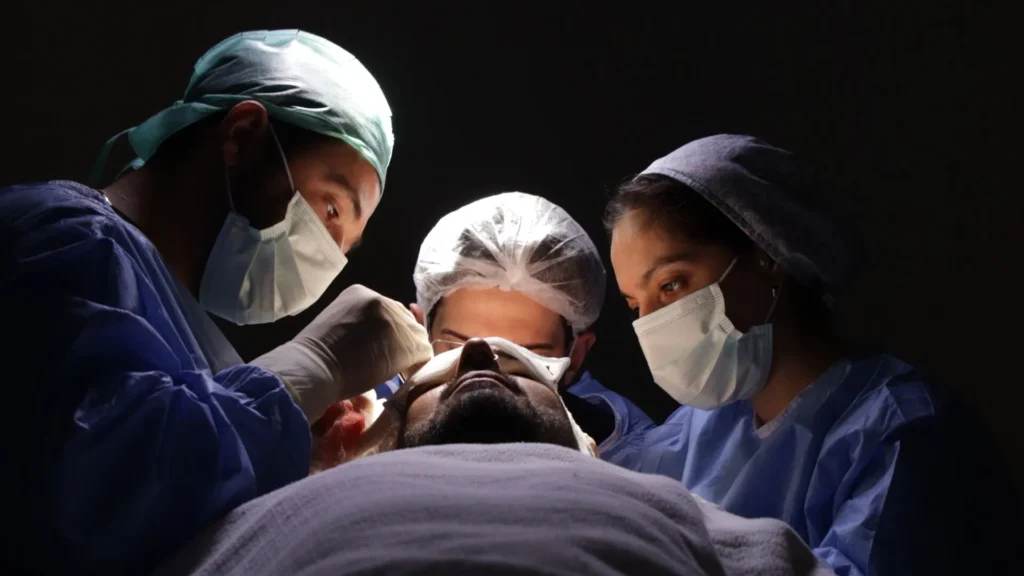
The Technologies of 2026: Precision Implantation
The tools used in 2026 are more refined than ever, focusing on minimizing tissue trauma and maximizing the graft survival rate.
- Sapphire FUE: Still the industry leader for high-density coverage. The 2026 gemstone blades are ultra-polished, creating micro-channels that are V-shaped rather than U-shaped, allowing for faster healing and closer graft placement.
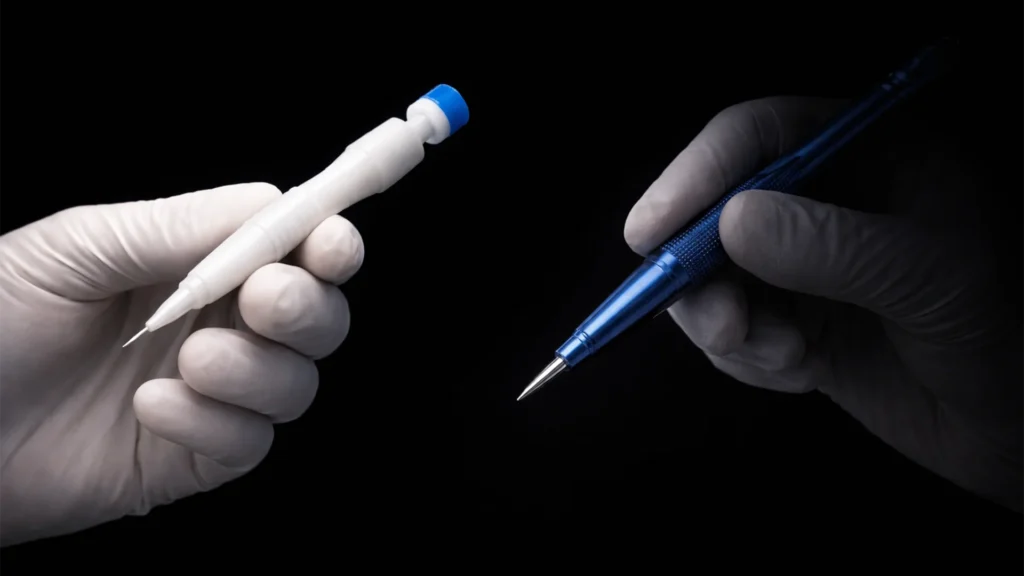
- DHI (Direct Hair Implantation): The “no-shave” favorite. Using the latest Choi Implanter Pens, our specialized doctors can now achieve a density of up to 80–90 hairs per $cm^2$ in a single pass.
- Hybrid Procedures: The most requested method in 2026. By combining Sapphire FUE for the crown and DHI for the hairline, we offer the maximum aesthetic result in one session.
The Cost of Excellence: Global Comparison
While technology has advanced, Turkey remains the global capital for hair restoration due to its unparalleled clinical volume and government-supported health infrastructure. At MedTour Antalya, we maintain competitive 2026 pricing without compromising the “Doctor-Only” implantation rule.
| Region | Avg. Cost (All-Inclusive 2026) | Doctor Involvement |
| United States / Canada | $15,000 – $25,000 | Variable |
| United Kingdom / Europe | €8,000 – €18,000 | Often Technician-Led |
| Australia | $12,000 – $22,000 AUD | High-Cost Boutique |
| MedTour Antalya (Turkey) | €2,500 – €4,500 | 100% Doctor-Performed |
The MedTour Antalya 2026 Protocol
We have integrated modern recovery science into every stage of the patient journey:
- AI-Assisted Mapping: Before surgery, our doctors use 2026 digital analysis tools to map donor density, ensuring we never over-harvest the back of your head.
- Specialized Doctor Implantation: Unlike high-volume “hair mills,” every incision and graft placement at MedTour Antalya is handled by a specialized surgeon. This is the only way to guarantee the correct exit angle and a 95%+ survival rate.
- Bio-Stimulation (PRP & Exosomes): Every 2026 procedure includes advanced growth factor therapies to accelerate the healing of the donor area and strengthen the new follicles.
- The Luxury Experience: Your transformation happens in the heart of Antalya. Our packages include VIP airport transfers, stays in 4-star Mediterranean hotels, and dedicated Russian/English language support.
Expected Results & Timeline
- Days 1–10: Initial healing. Our ultra-fine 2026 tools mean scabbing is minimal and usually clears within a week.
- Month 1: The “Shock Loss” phase. This is normal; the follicles are safe beneath the skin.
- Months 4–6: The growth surge. You will see a significant change in your silhouette.
- Month 12: The final result. Thick, natural hair that can be cut, styled, and treated exactly like your original hair.
In 2026, a hair transplant is no longer just about filling a bald spot—it is about restoring your confidence with the highest medical standards available.
What is a Hair Transplant?
At its core, a hair transplant is a permanent surgical solution to hair loss that involves redistributing healthy hair follicles from one part of the scalp to another. At MedTour Antalya, we view this not just as a medical procedure, but as a sophisticated form of “architectural restoration” for your face

Unlike temporary fixes like hairpieces or topical lotions, a hair transplant uses your own living tissue to create a result that grows, ages, and feels completely natural.
The Biological Foundation: How It Works
The science behind a hair transplant is based on “Donor Dominance.” Hair follicles at the back and sides of your head are genetically resistant to DHT (dihydrotestosterone), the hormone responsible for male pattern baldness. When our specialized doctors move these follicles to a thinning area, they retain their genetic resistance and continue to grow for a lifetime.
The MedTour Antalya Method: Step-by-Step
- 1. Extraction: Using advanced micro-tools, individual follicles are harvested from the “Donor Area.” We prioritize the health of this area to ensure it remains dense and natural-looking even after harvesting.
- 2. Preservation: Once removed, the follicles are kept in a nutrient-rich, chilled storage solution. This is a critical step to maintain the graft survival rate before they are replanted.
- 3. Implantation (The Artistry): This is where our doctors take over. Using either Sapphire FUE or DHI (Choi Pen) technology, the doctor creates micro-channels and places the follicles. This stage determines the direction, angle, and density of your new hair.
Why 2026 Technology Matters
Modern hair transplantation has moved away from the “pluggy” looks of the past. In our clinic, we use ultra-fine gemstone blades and precision implanters to ensure:
- Natural Hairlines: We mimic the irregular, soft pattern of a real hairline.
- Maximum Density: We can place follicles closer together than ever before.
- Invisible Scarring: The micro-incisions are so small that they are virtually undetectable to the naked eye once healed.
Is It a Permanent Solution?
Yes. Because the transplanted hair comes from a genetically permanent zone, it will behave like your original hair. You can wash it, cut it, style it, and even swim in the Mediterranean without worry.
At MedTour Antalya, a hair transplant is more than just “moving hair”—it is a doctor-led medical journey designed to restore your confidence using the most advanced techniques available in 2026.
What Causes Androgenic Alopecia (Pattern Baldness)?
Understanding the root cause of hair loss is the first step toward finding a permanent solution. Androgenic Alopecia, commonly known as Male or Female Pattern Baldness, is not a disease but a genetically determined sensitivity that affects millions of people worldwide.
At MedTour Antalya, our specialized doctors analyze these underlying biological factors to determine the best surgical approach, as the success of a transplant depends on understanding how your hair loss progresses.
The Three Primary Drivers of Pattern Baldness
Pattern baldness is caused by a complex interaction of three main factors:
1. The Genetic Blueprint (Heredity)
The most significant cause is your DNA. If you have a family history of baldness—on either your mother’s or father’s side—you are statistically more likely to experience it. This genetic code determines how sensitive your hair follicles are to hormonal changes and at what age the thinning process will begin.
2. The Role of DHT (The “Hair-Thinning” Hormone)
The biological “villain” in androgenic alopecia is a hormone called Dihydrotestosterone (DHT).
- The Process: An enzyme in your body converts testosterone into DHT.
- The Impact: In people with a genetic sensitivity, DHT attaches to the hair follicles on the top and front of the head.
- Miniaturization: DHT causes the follicles to shrink over time. The hair becomes thinner, shorter, and lighter until the follicle eventually stops producing hair altogether.
3. Age and Timing
As we age, the growth cycle of our hair naturally slows down. For those with androgenic alopecia, the combined effect of aging and DHT sensitivity accelerates the transition of hair from the “growth phase” (anagen) to the “resting phase” (telogen), leading to visible thinning.
Why the “Donor Area” is Different
One of the most fascinating aspects of human biology—and the reason hair transplants work—is that the hair at the back and sides of your head is genetically different. These follicles are naturally resistant to DHT.
When our specialized doctors perform a transplant at MedTour Antalya, we move these “permanent” follicles to the thinning areas. Because the follicles retain their DHT resistance even after being moved, your new hair will continue to grow for a lifetime.
Common Myths vs. Reality
| The Myth | The Medical Reality |
| Wearing hats causes baldness. | Hats do not cause baldness; DHT and genetics do. |
| Poor blood flow causes hair loss. | While scalp health is important, restricted blood flow is a result of follicle shrinkage, not the cause. |
| Frequent washing causes thinning. | Washing only removes hairs that were already in the “shedding” phase. |
The Solution in 2026
While medications can slow down the effects of DHT, a Sapphire FUE or DHI procedure at MedTour Antalya is the only way to physically restore hair to areas where the follicles have already miniaturized. By utilizing the DHT-resistant follicles from your donor area, our doctors can bypass the genetic “timer” of pattern baldness and give you a permanent, natural look.
How Does Hair Implantation Work?
Hair implantation is the most critical phase of the hair restoration process, as it determines the density, naturalness, and longevity of your new hair. At MedTour Antalya, we view this stage as a combination of medical science and artistic architecture.
Depending on your specific hair loss pattern, our specialized doctors use two primary methods to implant the harvested follicles: Sapphire FUE or DHI (Direct Hair Implantation). Here is a technical breakdown of how the implantation phase actually works in 2026.
1. The Sapphire FUE Method: The Two-Step Approach
Sapphire FUE is the gold standard for creating a high-density “foundation” over larger areas.
- Step A: Channel Opening: Using ultra-sharp blades made from genuine sapphire gemstones, our doctors create micro-channels (incisions) in the recipient area. The V-shape of the sapphire tip allows for cleaner, smaller cuts compared to traditional steel.
- Step B: Placement: Once the channels are opened, the harvested follicles are manually placed into each one.
- The Benefit: Because the sapphire blades are so precise, our doctors can open channels very close together, allowing for maximum density in a wide area without causing excessive tissue trauma or bleeding.
2. The DHI Method: The One-Step Precision Approach
DHI is a more “direct” evolution, utilizing the Choi Implanter Pen to combine two steps into one fluid motion.
- The Single Step: There is no pre-channeling in DHI. Our doctors load the hair follicle into the hollow needle of the Choi pen and then insert the pen directly into the scalp.
- The Mechanism: As the needle enters the skin, the doctor depresses a plunger, releasing the graft at the exact intended depth.
- The Benefit: This method provides 100% control over the angle and direction of the hair. It is the preferred choice for hairline design and for “filling in” gaps between existing hair without needing to shave the recipient area.
Critical Technical Factors Controlled by Our Doctors
Regardless of the method, the success of the implantation at MedTour Antalya depends on three medical variables that only an experienced surgeon can master:
- The Exit Angle: Natural hair does not grow straight up. In the hairline, it often grows at a 15–20 degree angle, while the crown follows a spiral (whorl) pattern. Our doctors manually adjust the angle of each implant to mimic your original growth.
- Depth Control: If a graft is placed too deep, it can cause “pitting” or cysts; if it is too shallow, it won’t survive. We ensure each follicle is placed precisely where it can connect to the scalp’s blood vessels.
- Graft Distribution: We place “single-hair” follicles at the very front of the hairline for a soft look and “multi-hair” grafts further back to provide thick, voluminous coverage.
Why 2026 Implantation is More Successful
| Feature | 2026 Implantation Standard | Result for the Patient |
| Graft Survival | 95%+ due to minimized “out-of-body” time. | Thicker, fuller head of hair. |
| Tissue Trauma | Minimal (no large slits or incisions). | Faster healing (7–10 days). |
| Naturalness | AI-assisted hairline mapping + Doctor precision. | Indistinguishable from original hair. |
At MedTour Antalya, we don’t leave the implantation to technicians. By ensuring our specialized doctors perform these critical steps, we guarantee that the technology whether it’s a sapphire blade or a Choi pen is used to its full potential for your transformation.
Are Hair Transplant Results Permanent?
One of the most reassuring aspects of modern hair restoration is that the results are, in fact, permanent. When you undergo a procedure at MedTour Antalya, we are not just moving hair; we are moving “permanent genetic information” from one part of your scalp to another.
The secret to this permanence lies in a biological principle called Donor Dominance.
The Science of Why It Lasts
Not all hair on your head is the same. The follicles at the back and sides of your scalp (the donor area) are biologically programmed to be resistant to DHT (Dihydrotestosterone)—the hormone responsible for androgenic alopecia (pattern baldness).
- Genetic Memory: When our specialized doctors transplant these follicles to the hairline or crown, the follicles “remember” their genetic resistance. They do not adopt the characteristics of the balding area; they keep their permanent traits.
- Life-Long Growth: Once these follicles successfully integrate into the blood supply of the recipient area, they will continue to produce hair for the rest of your life, just as they would have in their original location.
What Changes Over Time? (The Aging Factor)
While the transplanted hair is permanent, it is important to remember that it is still living tissue. It will behave exactly like the rest of your hair as you age:
- Natural Graying: If your hair begins to turn gray or white at the back of your head, the transplanted hair in the front will follow the same timeline.
- Texture Changes: As you get older, the diameter of all hair shafts can naturally thin slightly, but the follicle itself will remain active and continue to produce hair.
Protecting Your Results: The “Halo” Effect
While the transplanted hair will never fall out, your original (native) hair surrounding the transplant may still be susceptible to DHT if your hair loss hasn’t fully stabilized.
At MedTour Antalya, our doctors prevent the “halo” look (where a gap forms between the new and old hair) by:
- Strategic Planning: We design the transplant with future aging in mind, placing grafts in a way that remains natural even if your native hair thins further.
- Medical Support: We may recommend 2026-standard supportive therapies (like PRP or specialized lotions) to strengthen your existing native hair.
The MedTour Antalya Guarantee
In 2026, our 95%+ graft survival rate ensures that the vast majority of moved follicles take root. By ensuring the procedure is doctor-led, we guarantee that the follicles are handled with the microscopic care required to ensure they stay healthy and productive for decades to come.
Types of Hair Transplant by Method
In 2026, the evolution of hair restoration has moved beyond simple “plug-and-play” surgery. At MedTour Antalya, we categorize methods not just by how hair is moved, but by how the scalp heals and how the new hairline is sculpted. Our specialized doctors select the method that matches your specific scalp physiology to ensure a 95%+ survival rate.
The three primary pillars of modern hair restoration are Sapphire FUE, DHI, and the Hybrid approach.
1. Sapphire FUE (Follicular Unit Extraction)
This remains the global gold standard for patients requiring high-volume restoration. The “Sapphire” designation refers to the ultra-sharp gemstone blades used to open the channels.
- The Process: After follicles are extracted, our doctors use sapphire blades to create V-shaped incisions. These are much cleaner than traditional steel, causing less bleeding and tissue trauma.
- Best For: Advanced hair loss (Norwood Scale 4-7) where the goal is to cover large bald areas with maximum density.
- The Advantage: The gemstone’s smoothness allows for faster healing and minimal scabbing compared to older methods.
2. DHI (Direct Hair Implantation)
DHI is the “high-definition” version of hair transplants, often chosen by patients who want to avoid a full head shave or need meticulous hairline refinement.
- The Process: Using the Choi Implanter Pen, our doctors load each follicle and implant it directly into the skin in one step. There is no pre-channeling (no incisions).
- Best For: Hairline lowering, temple filling, and “No-Shave” transplants for women or professionals who need total discretion.
- The Advantage: It offers 100% control over the angle, depth, and direction of every hair, resulting in an undetectable finish.
3. Hybrid Hair Transplant (The 2026 Elite Choice)
The Hybrid method is the “signature” offering at MedTour Antalya. It recognizes that different parts of your head have different needs.
- The Process: Our doctors use Sapphire FUE to provide thick coverage in the crown and mid-scalp, then switch to DHI to craft a perfectly natural, high-density hairline.
- Best For: Patients who want “perfection in the front and volume in the back.”
- The Advantage: It maximizes the efficiency of your donor hair while providing the most artistic result possible in a single session.
Method Comparison Summary
| Method | Primary Tool | Shaving Required? | Ideal Candidate |
| Sapphire FUE | Sapphire Gemstone Blades | Usually Yes | Large bald areas / Total coverage |
| DHI | Choi Implanter Pen | No (Shaveless option) | Thinning areas / Fine hairline work |
| Hybrid | Both Blades & Pen | Partial / Discreet | Combined advanced hair loss & hairline repair |
What is a Stem Cell Hair Transplant?
Unlike a standard transplant, a Stem Cell Hair Transplant (often referred to as Autologous Micrografting) involves harvesting a tiny tissue sample from the patient’s own scalp—usually from the permanent hair zone behind the ear.
- The Extraction: A specialized medical tool is used to take a few small tissue samples (about 2.5mm each). This area is rich in mesenchymal stem cells.
- The Processing: These samples are placed in a high-tech centrifuge device that breaks down the tissue into a concentrated “suspension” of progenitor cells and growth factors.
- The Implantation: This stem-cell-rich solution is then micro-injected into the thinning areas of the scalp.
The Dual Benefit at MedTour Antalya
At our clinic, we often integrate stem cell therapy into our DHI or Sapphire FUE procedures to achieve a “biological synergy”:
- For Transplanted Grafts: The stem cells provide an immediate “nutrient boost” to the newly implanted follicles, helping them connect to the blood supply faster and reducing the “shock loss” phase.
- For Native Hair: The progenitor cells stimulate dormant follicles that have shrunk due to DHT (Androgenic Alopecia), effectively “waking them up” and thickening the hair you still have.
Stem Cell vs. Traditional Transplant
| Feature | Traditional (FUE/DHI) | Stem Cell Therapy |
| Primary Goal | Adding new hair to bald areas | Strengthening existing/new hair |
| Source | 2,000 – 5,000 Hair Follicles | Tiny 2.5mm Tissue Samples |
| Visible Result | New hair growth in 6–12 months | Increased density & thickness |
| Invasiveness | Minimally Invasive Surgery | Non-Surgical Injection |
Is It a “No-Surgery” Solution?
It is important to be realistic: as of 2026, stem cell therapy alone cannot create hair on a completely bald scalp. If the follicle is dead, it cannot be revived. This is why our specialized doctors typically recommend stem cell therapy as a supportive treatment alongside a transplant.
By combining the structural restoration of a Hybrid Hair Transplant with the biological power of stem cells, we ensure that your new hair isn’t just permanent it’s incredibly thick and healthy from the roots up.
I have refined and personalized these sections to reflect the MedTour Antalya 2026 standards, focusing on high-authority medical terminology and a sophisticated brand voice:
Hairline Transplant
The hairline is the most artistic frontier of any restoration. In a hairline transplant at MedTour Antalya, our specialized doctors place single-hair grafts with microscopic attention to natural exit angles, directional flow, and intentional “micro-irregularity.” The goal is to avoid the artificial “straight line” look and instead create a soft, age-appropriate frame that is virtually undetectable, even under close inspection.
Beard Transplant
Now one of the fastest-growing procedures globally, a beard transplant involves transferring 1,500–5,000 high-quality follicles to the cheeks, goatee, mustache, or sideburns. At MedTour Antalya, we ensure the results are lifelong and blend seamlessly with your existing facial hair texture. After 9–12 months, the result is 100% natural, making it the ideal permanent solution for patchy growth, scars, or those seeking a more masculine density.
Eyebrow Transplant
This is a highly specialized micro-restoration requiring between 200–600 single hairs per brow. In an eyebrow transplant, the direction, curl, and arch must be meticulously mapped to match the patient’s unique facial symmetry. This procedure is exceptionally popular for those who have experienced thinning due to aging, over-plucking, or medical conditions. It requires the highest level of artistic skill to ensure the hair grows in the correct natural direction.
Body Hair Transplant (BHT)
When the scalp’s donor supply is insufficient due to advanced baldness or previous surgeries, we utilize the Body Hair Transplant technique. Beard hair is our preferred secondary source because it most closely mimics the texture and growth cycle of scalp hair. While survival rates for body hair can be slightly lower than scalp hair, in the experienced hands of our MedTour Antalya doctors, it serves as a critical tool to dramatically improve overall coverage and density.
What is an Unshaven Hair Transplant?
Often referred to as U-FUE or Unshaven DHI, this method allows patients to undergo a full restoration without shaving the recipient area. Only a small, discreet “window” in the donor zone is trimmed, which is easily covered by your existing long hair.
An unshaven hair transplant is the perfect choice for high-profile professionals and women who require total discretion and cannot shave their heads for social or work reasons. This technique requires significantly higher surgical skill and more time than standard procedures, but it allows you to return to your daily routine without anyone knowing you’ve had a procedure.
What is the Best Hair Transplant Method?
In the evolving world of hair restoration in 2026, the “best” method is no longer a fixed choice but a tailored medical strategy. At MedTour Antalya, we believe the best method is the one that respects your donor area while delivering the highest possible density in the recipient zone.
While every patient is unique, the consensus among our specialized doctors is that the Hybrid Hair Transplant currently stands as the gold standard for most cases.
1. The Hybrid Method: The 2026 “Best” Choice
If you have significant thinning and want a flawless hairline, the Hybrid approach is unbeatable. It combines two technologies into one session:
- Why it’s the best: It uses Sapphire FUE to cover large areas (like the crown) efficiently and DHI (Choi Pen) to sculpt the hairline with microscopic precision.
- The Result: You get the high-volume coverage of FUE without sacrificing the natural, “non-surgical” look of a DHI hairline.
2. DHI (Direct Hair Implantation): Best for Detail and Discretion
For patients with early-stage hair loss or those who refuse to shave their heads, DHI is the premier method.
- Why it’s the best: The Choi Implanter Pen allows our doctors to implant follicles between existing hairs. It offers 100% control over the hair’s angle and direction.
- The Result: A high-density, shaveless procedure with the fastest recovery time in the industry.
3. Sapphire FUE: Best for Maximum Coverage
When the primary goal is covering a very large bald area in a single day, Sapphire FUE remains the most effective tool.
- Why it’s the best: The use of sapphire gemstone blades creates cleaner, smaller channels than steel. This allows for closer graft placement and a 95%+ survival rate.
- The Result: Robust, full-head coverage that heals significantly faster than traditional FUE.
How We Decide the “Best” for You
At MedTour Antalya, our doctors evaluate four key factors to choose your method:
| Factor | We Recommend DHI If… | We Recommend Sapphire FUE If… |
| Graft Count | You need < 3,000 grafts. | You need > 4,000 grafts. |
| Shaving | You want to keep your hair long. | You are comfortable with a full shave. |
| Hair Loss Area | Mainly the hairline or temples. | Broad thinning across the top/crown. |
| Existing Hair | You have lots of “native” hair left. | You have large fully bald zones. |
The MedTour Antalya Verdict
There is no single “best” method, only the best method for your scalp. However, the most successful results in 2026 come from Doctor-Led Implantation. Whether we use a Sapphire blade or a Choi pen, the technology is only as good as the surgeon’s hand.
By choosing MedTour Antalya, you ensure that a specialized doctor determines and performs the method that will give you a permanent, life-changing result.
Hair Transplant by Number of Grafts
Determining the number of grafts required is the most technical part of your surgical plan. At MedTour Antalya, we don’t just count hairs; we calculate “visual density.” Because our specialized doctors personally perform the implantation, we focus on placing the right number of grafts to ensure a 95%+ survival rate without over-harvesting your donor area.
In 2026, the industry standard follows the Norwood Scale, but the specific technique—whether Sapphire FUE or DHI—will change based on these numbers.
1,000 – 2,000 Grafts: The Precision Touch
This range is ideal for patients in the early stages of hair loss (Norwood 2-3) or those seeking minor refinements.
- Target Areas: Frontal hairline lowering or filling in the temples.
- Best Method: DHI (Direct Hair Implantation). The Choi pen is perfect here for navigating between existing hairs with surgical precision.
- The Goal: A subtle, natural frame for the face that remains undetectable.
2,500 – 3,500 Grafts: Moderate Restoration
This is our most common graft range for patients with a receding hairline and thinning at the top (Norwood 3-4).
- Target Areas: Reconstructing the entire frontal third of the scalp and adding density to the mid-scalp.
- Best Method: DHI or Sapphire FUE.
- The Goal: Full coverage of the front and a significant increase in overall thickness. At MedTour Antalya, our doctors ensure these grafts are distributed to provide maximum “shadow” (visual density).
4,000 – 5,000+ Grafts: Advanced Transformation
For patients with extensive hair loss (Norwood 5-6), we move into high-volume restoration.
- Target Areas: Complete coverage from the hairline all the way back to the crown (vertex).
- Best Method: Hybrid Hair Transplant. We use Sapphire FUE for the bulk density in the crown and DHI for a refined, high-definition hairline.
- The Goal: A total life-changing transformation in a single session.
Graft Requirement Estimation Table
| Hair Loss Level | Estimated Grafts | Recommended Method |
| Receding Temples | 1,000 – 1,800 | DHI |
| Frontal Thinning | 2,000 – 3,000 | DHI or Sapphire FUE |
| Crown / Vortex Only | 2,000 – 2,500 | Sapphire FUE |
| Front to Crown (Full) | 4,000 – 5,000+ | Hybrid (FUE + DHI) |
Why Quality Matters More Than Quantity
At MedTour Antalya, we warn patients against the “unlimited graft” marketing trap. More isn’t always better.
- Donor Preservation: Your donor area has a finite supply. Our doctors meticulously harvest only what is needed to ensure the back of your head still looks dense and healthy.
- The “Multi-Hair” Factor: One graft can contain 1, 2, 3, or even 4 hairs. By expertly sorting these, we use “singles” for a soft hairline and “multiples” for a thick crown, giving you more “hair” with fewer “grafts.”
By choosing MedTour Antalya, you are getting a doctor-led assessment that prioritizes the long-term health of your scalp. We ensure that every graft moved is a graft that grows.
How Much Does a Hair Transplant Cost?
In 2026, the cost of a hair transplant is no longer just a reflection of the number of grafts, but of the technology used and the level of medical expertise provided. At MedTour Antalya, we offer a “Doctor-Led” premium experience at a fraction of the cost found in Western Europe or North America, leveraging Turkey’s advanced health tourism infrastructure.
While the global average can range from $10,000 to $25,000, our all-inclusive packages ensure transparency and high-end care without hidden fees.
Global Cost Comparison (2026 Estimates)
Turkey remains the most cost-effective destination for high-quality hair restoration. Below is how MedTour Antalya compares to international markets for a standard 3,000-4,000 graft procedure:
| Country | Average Cost (Procedure Only) | Package Style |
| United States | $15,000 – $25,000 | Pay-per-graft |
| United Kingdom | £8,000 – £15,000 | Clinical only |
| Germany / Netherlands | €9,000 – €16,000 | High regulatory fees |
| MedTour Antalya (Turkey) | €2,500 – €4,500 | All-Inclusive Luxury |
What Determines the Price at MedTour Antalya?
Not all procedures are created equal. The final investment for your MedTour Antalya journey depends on three primary factors:
- 1. The Chosen Method: Sapphire FUE is generally the most accessible high-end option. DHI and Hybrid methods cost slightly more (typically +€500 to €800) because they require specialized tools like the Choi Implanter Pen and more intensive involvement from our specialized doctors.
- 2. Shaveless Options: An Unshaven Hair Transplant is a premium service. It takes significantly more time for our surgical team to navigate long hair, which is reflected in the pricing.
- 3. The Scope of Restoration: While we offer flat-rate packages for many cases, extremely high-volume sessions (5,000+ grafts) or specialized Beard/Eyebrow transplants may require adjusted pricing due to the length of the surgery.
The MedTour Antalya “All-Inclusive” Value
When you see a price from us, it isn’t just for the surgery. We provide a complete medical travel experience designed for international patients:
- Doctor-Performed Implantation: Unlike budget “hair mills,” your procedure is led and performed by our specialized doctors.
- Luxury Accommodation: A 3-night stay in a 4-star Mediterranean hotel in Antalya.
- VIP Transportation: All transfers between the airport, hotel, and clinic in private vehicles.
- Post-Op Medical Kit: All necessary medications, specialized shampoos, and lotions for the first month.
- 12-Month Aftercare: Monthly digital consultations with our medical team to track your 95%+ regrowth rate.
- Language Support: A dedicated personal host speaking English or Russian.
Why Is Turkey More Affordable?
The lower cost in Antalya is not a reflection of lower quality. It is driven by lower operational costs, a favorable exchange rate, and a high volume of specialized clinics that drive innovation and efficiency. At MedTour Antalya, we pass these savings directly to you, ensuring that a permanent, life-changing result is accessible without compromising on 2026 medical standards.
Are you suitable for the procedure?
Determining your suitability for a hair transplant is a medical decision that goes beyond just having thinning hair. At MedTour Antalya, we use a strict “Candidate First” protocol. In 2026, we don’t just ask if you can have the procedure, but if you should have it to achieve a permanent, high-density result.
Our specialized doctors evaluate four primary pillars to confirm your suitability:
1. Donor Area Capacity (The Supply)
A hair transplant is a redistribution of your existing hair. To be a good candidate, you must have a “stable” donor zone at the back and sides of your head.
- The Test: Is your donor hair thick and healthy? If the back of your head is also thinning, the graft survival rate may be lower. Our doctors use high-resolution mapping to ensure we can harvest enough follicles without causing visible thinning in the back.
2. The Progression of Hair Loss (The Timing)
Stability is key. If you are currently in an “active” shedding phase, our doctors might recommend stabilizing the loss first.
- Age Factor: While there is no strict age limit, we generally prefer patients over the age of 25. This allows the pattern of your Androgenic Alopecia to become clear, ensuring that the transplant we design today still looks natural in 10 or 20 years.
3. Scalp Health and Physiology
The “soil” must be healthy for the “seeds” to grow.
- The Evaluation: We look for conditions like scalp inflammation, scarring alopecia, or severe dermatitis. A healthy scalp environment is essential for the 95%+ regrowth rate we guarantee at MedTour Antalya.
4. Realistic Aesthetic Goals
A hair transplant can work wonders, but it is not magic.
- The Expectation: If you are completely bald (Norwood 7) and have very little donor hair, a full “teenager” hairline may not be realistic. However, our Hybrid Method can often provide significant coverage even in difficult cases. We prioritize “visual density”—placing hair where it creates the biggest impact.
Suitability Checklist: Are You a Match?
| Candidate Type | Recommended Strategy |
| Receding Hairline / Temples | Ideal Candidate. Perfect for the precision of DHI. |
| Thinning Throughout the Top | Good Candidate. Excellent results with Sapphire FUE. |
| Advanced Baldness (Crown + Front) | Complex Candidate. Best suited for our Hybrid Method. |
| Women with Pattern Thinning | Specialized Candidate. Often treated with Unshaven DHI. |
The “MedTour Antalya” Virtual Consultation
Because most of our patients travel to Antalya from abroad, we offer a digital suitability assessment. By reviewing clear photos of your front, top, and donor areas, our specialized doctors can provide a preliminary diagnosis and graft estimate before you even book your flight.
At MedTour Antalya, we only move forward if we are confident we can deliver a life-changing, permanent result. Your long-term satisfaction is our clinical priority.
What are the risks of hair transplantation?
While modern hair restoration is a minimally invasive outpatient procedure, it is still a surgery that requires high clinical standards. At MedTour Antalya, we believe in complete transparency. In 2026, the primary “risks” are no longer about safety, but about the aesthetic quality and graft survival rate.
By ensuring that only our specialized doctors handle the implantation tools (Sapphire blades or Choi pens), we significantly mitigate the technical risks associated with “hair mills.”
1. Common Temporary Side Effects
Most patients experience these manageable symptoms during the first 7–10 days:
- Swelling (Edema): Mild swelling around the forehead and eyes is common for 3–5 days. We provide specialized headbands and post-op instructions to minimize this.
- Itching and Redness: As the micro-incisions heal, the scalp may feel itchy. Using the medical sprays and shampoos from our MedTour Antalya kit is essential to soothe the skin without scratching the new grafts.
- Shock Loss: About 2–4 weeks after the procedure, the transplanted hair shafts will fall out. This is not a failure. It is a biological reset that allows the permanent follicle to start its new growth cycle.
2. Potential Clinical Risks
In a sterile, doctor-led environment like ours, these are rare but must be mentioned:
- Folliculitis: Small “pimples” or inflammation can occur as new hair pushes through the skin (around month 3). Our medical team monitors this via your monthly photo updates and provides immediate guidance.
- Minor Infection: While we maintain a 100% sterile surgical environment, we provide a proactive course of antibiotics to ensure no bacteria compromise the healing process.
- Numbness: Some patients feel a temporary loss of sensation in the donor or recipient areas. This usually resolves naturally as the nerve endings heal within a few weeks or months.
3. Aesthetic and Long-Term Risks
These are the risks most often seen in low-cost clinics that don’t use specialized doctors:
- Low Survival Rate: If grafts are handled poorly or kept out of the body too long, they will not grow. At MedTour Antalya, our doctor-led protocol ensures a 95%+ survival rate.
- Unnatural Hairline: If the angle and direction of the grafts aren’t perfect, the hair can look “pluggy” or grow in the wrong direction. This is why we insist on DHI or Sapphire FUE performed only by a surgeon’s hand.
- Donor Area Depletion: Over-harvesting the back of the head can leave visible patches. Our doctors use AI-assisted mapping to ensure your donor area remains healthy and looks untouched.
How We Minimize Risk at MedTour Antalya
| Risk Factor | Our Solution |
| Poor Results | 100% Doctor-Led Implantation (No technicians). |
| Infection | JCI-standard sterile clinical environment & Antibiotic kits. |
| Safety Concerns | Comprehensive pre-op blood tests and health screening. |
| Communication Gaps | Dedicated English and Russian-speaking medical hosts. |
Choosing a hair transplant is a lifelong investment. At MedTour Antalya, we prioritize medical ethics over volume, ensuring that your path to a full head of hair is safe, professional, and permanent.
The 8 Steps of the Procedure in Detail
In 2026, the hair transplant experience at MedTour Antalya is a meticulously orchestrated medical journey. We break the procedure down into 8 distinct steps, ensuring that every follicle is handled with care and every patient feels like a VIP. Because our specialized doctors personally lead the most critical phases, you can rest assured that the technology—whether Sapphire FUE or DHI—is used to its maximum potential.
Here are the 8 detailed steps of your transformation:
Step 1: The Final Medical Consultation & Hairline Design
Your journey begins with an in-person meeting with our specialized doctors. We don’t rely on generic templates; we study your facial proportions, bone structure, and muscle movement to draw a bespoke hairline.
- The Goal: To create an age-appropriate, natural frame that looks as good in 20 years as it does today.
- The Science: We use 2026 digital mapping to confirm the exact density of your donor area.
Step 2: Local Anesthesia with “Comfort-First” Technology
We understand that many patients are nervous about needles. At MedTour Antalya, we offer needleless pre-anesthesia (pressure-based) to numb the scalp before the local anesthetic is administered.
- The Result: A painless transition into the surgical phase. You will be awake, comfortable, and able to watch a movie or chat with our team.
Step 3: Precision Extraction of Follicular Units
Using a micro-motor tool with tips smaller than 1.0mm, our team extracts individual grafts from the donor area (the back and sides).
- The Doctor’s Role: We ensure extraction is evenly distributed across the “safe zone” to prevent any visible thinning or “patchy” appearance in your donor area.
Step 4: Graft Sorting & Bio-Preservation
Once extracted, your follicles are living organs. We immediately place them in a chilled, nutrient-rich bio-preservation solution.
- The Artistry: Our technicians sort the grafts under high-powered microscopes. Single-hair grafts are set aside for the delicate hairline, while multi-hair grafts (2, 3, or 4 hairs) are reserved for volume in the crown.
Step 5: Channel Opening (Sapphire FUE) or Direct Loading (DHI)
This is the most technical part of the day.
- For Sapphire FUE: Our specialized doctors use ultra-fine sapphire blades to create micro-channels. The V-shape of the blade ensures the channels are tiny, allowing for a 95%+ survival rate.
- For DHI: Our doctors skip the channel-opening and instead load the follicles directly into the Choi Implanter Pen.
Step 6: The Implantation Phase (The Doctor’s Hand)
This is where the magic happens. Whether using the Sapphire channels or the Choi pen, only our specialized doctors determine the angle, direction, and depth of each hair.
- Precision Control: We mimic your natural 10-20 degree growth angle, ensuring your new hair flows seamlessly with your existing “native” hair.
Step 7: Post-Op Platelet-Rich Plasma (PRP) Therapy
Before you leave the clinic, we perform a PRP treatment. We use a concentration of your own blood’s growth factors to stimulate the newly implanted follicles.
- The Benefit: This accelerates healing, reduces redness, and gives the grafts a “bio-boost” to kickstart the growth cycle.
Step 8: The “First Wash” & Aftercare Education
The day after your surgery, you return to our clinic for your first professional wash.
- Expert Guidance: Our medical staff demonstrates the exact “patting” technique you must use at home. We provide you with a MedTour Antalya Aftercare Kit, containing specialized shampoos, lotions, and medications to ensure a smooth 12-month recovery.
I have rewritten and optimized these regional comparisons to align with the MedTour Antalya brand voice for 2026. The focus is on providing objective market data while subtly highlighting the value of choosing our specialized care in Turkey.
Hair Transplant in the US
In the United States, the hair restoration market is defined by high-tech integration, such as the ARTAS robotic systems and advanced exosome-enhanced therapies. With over 700,000 procedures annually (per ISHRS data), the US is a primary hub for patients who prioritize proximity and premium facilities in cities like NYC, Los Angeles, or Miami. However, this convenience comes with a high price point; with per-graft rates ranging from $5 to $10, a standard 3,000-graft FUE procedure can cost between $9,000 and $15,000. These costs have risen approximately 10–15% since 2023 due to increased clinical demand and operational overheads.
Hair Transplant in the UK
The UK remains Europe’s leader in highly regulated medical care, with GMC (General Medical Council) oversight ensuring strict ethical practices across London’s Harley Street, Manchester, and Birmingham. While the quality of care is exceptionally high, so are the costs. A 3,000-graft procedure typically averages between $6,500 and $12,000 (£5,000–£9,500). Pricing is usually calculated per graft (£2–£4), reflecting the high cost of living and medical staffing in the UK, though success rates remain consistently high at 90–95%.
Hair Transplant in Turkey
Turkey continues to dominate the global stage, with Istanbul and Antalya performing over 1 million procedures annually. The country’s success is built on a foundation of ISHRS-trained surgeons and JCI-accredited clinics that offer world-class medical outcomes. In 2026, Turkey remains the most cost-effective destination, with all-inclusive packages for 3,000–5,000 grafts starting between $2,500 and $5,000. At an average of $0.70–$1.20 per graft, prices are nearly 80% lower than Western averages without compromising on technology or safety.
Plan Your Journey: At MedTour Antalya, we combine this cost advantage with 100% doctor-led implantation. Contact us today for a free digital consultation and a personalized quote for your hair transplant in Turkey.
Hair Transplant in Canada
Canada offers a sophisticated blend of public health oversight and private surgical excellence. Cities like Toronto and Vancouver have seen a 15% year-over-year increase in demand for FUE procedures. Under Health Canada regulations, patients can expect safe, high-quality outcomes, though the financial investment is significant. Per-graft rates typically range from $4 to $7, bringing the total for a 3,000-graft session to between $8,000 and $15,000 CAD.
Hair Transplant in Australia
Australia has become a specialized hub for treating diverse hair textures, including curly and Asian hair types, within TGA-regulated clinics in Sydney and Melbourne. Due to high living costs and strict labor regulations, premiums are high, with 3,000-graft procedures costing between $10,000 and $18,000 AUD ($5–$6 per graft). While the investment is substantial, the clinical outcomes in Australia rival the best in the world, particularly for patients seeking boutique, localized care.
What is the Best Hair Transplant Clinic?
In 2026, the definition of the “best” hair transplant clinic has shifted away from high-volume “hair mills” toward specialized, doctor-led boutique centers. While thousands of clinics operate globally, the best facilities share specific clinical hallmarks that guarantee a 95%+ graft survival rate and a natural aesthetic.
At MedTour Antalya, we define the “best” clinic based on five non-negotiable pillars of 2026 medical standards.
1. 100% Doctor-Led Implantation
The most critical factor in choosing a clinic is knowing who will actually perform your surgery. In many high-volume clinics, technicians perform the incisions and implantation.
- The Best Standard: At a top-tier clinic like ours, specialized doctors personally perform the channel openings (Sapphire FUE) and the implantation (DHI). This is the only way to guarantee the correct exit angle, depth, and density.
2. Use of Advanced 2026 Technology
The best clinics no longer use traditional steel blades. Look for centers that utilize:
- Genuine Sapphire Blades: For cleaner micro-channels and faster healing.
- Choi Implanter Pens (DHI): For high-definition hairline restoration.
- Bio-Preservation: Keeping grafts in nutrient-rich solutions to maintain vitality while they are outside the body.
3. Transparent Case Studies & Patient Reviews
A world-class clinic should provide clear, high-resolution “Before & After” galleries that show consistent results across various hair loss stages (Norwood 2 through 7).
- Authenticity: The best clinics have verified reviews on independent platforms and provide detailed testimonials from international patients who have traveled for their care.
4. Comprehensive All-Inclusive Care
For international patients, the “best” experience is one that removes all stress. Top clinics in Antalya provide a seamless 360-degree service:
- VIP Logistics: Airport transfers and luxury 4-star accommodations.
- Language Support: Dedicated hosts in English, Russian, or German.
- Post-Op Kits: Providing all necessary medications and specialized shampoos for the first month.
5. JCI Accreditation and Safety Standards
Safety should never be a secondary concern. The best clinics operate in JCI-accredited hospital environments that follow international sterilization protocols. This ensures that your procedure is as safe as it is aesthetically successful.
Clinic Comparison: What to Look For
| Feature | Standard Clinic (“Hair Mill”) | MedTour Antalya Standard |
| Who performs implantation? | Technicians | Specialized Doctors |
| Daily Patient Limit | 10–20+ patients | 2–3 patients (Boutique focus) |
| Graft Survival Rate | 70–85% | 95%+ |
| Post-Op Support | Often ends after payment | 12-month digital follow-up |
The MedTour Antalya Verdict
The best clinic is the one where you are treated as a patient, not a number. In Antalya, we combine the technical superiority of Turkish hair restoration with a boutique, doctor-only approach. When you choose a clinic that prioritizes quality over quantity, you aren’t just paying for a surgery—you are investing in a permanent, natural result.
I have enhanced and tailored these criteria to align with the MedTour Antalya high-authority brand voice, emphasizing the 2026 medical landscape and the “Doctor-Only” standard.
Key Criteria for Global Excellence in 2026
Selecting a clinic is a lifelong decision. To ensure a permanent and natural result, these are the non-negotiable benchmarks that define the world’s leading hair restoration centers this year:
- Surgeon Expertise & Hands-On Involvement: The “best” clinics are no longer defined by brand names, but by the surgeons behind them. Look for ISHRS or ABHRS-certified doctors who have a proven track record of 10,000+ successful procedures. Most importantly, avoid “technician-led” facilities; excellence requires that the specialized doctor personally performs the most critical phases, including channel opening and graft implantation.
- Advanced Technology & Biological Integration: In 2026, the standard is Sapphire FUE and DHI. High-tier clinics now integrate AI-assisted mapping to protect the donor area and utilize Stem Cell or Exosome therapies alongside PRP. These biological enhancements are proven to increase follicle regrowth rates by 15–25% compared to traditional methods.
- Verified Patient Outcomes: Authentic success is measured by high-resolution, long-term “Before & After” galleries. Top clinics maintain a 4.8+ rating on independent platforms like Trustpilot or RealSelf. Pay close attention to the “macro” details: the naturalness of the hairline angles and the density of the crown.
- All-Inclusive Value Proposition: The leading clinics in Turkey offer “stress-free” logistics. Premium all-inclusive packages should cover the surgery, luxury 4 or 5-star Mediterranean accommodation, and VIP transfers. In 2026, receiving world-class care (3,000–5,000 grafts) under a total investment of $5,000 remains the gold standard for value without compromising safety.
- Clinical Safety & Medical Ethics: Never overlook institutional credentials. Ensure the clinic operates within a JCI-accredited environment with a documented complication rate of less than 0.5%. Ethical clinics provide transparent, flat-rate pricing and will prioritize your long-term health over “selling” a high graft count.
Current Innovations in Hair Transplantation
The year 2026 marks a transformative era in hair restoration, moving beyond simple “relocation” to a focus on biological regeneration and digital precision. At MedTour Antalya, we have integrated these global innovations into our protocols to offer results that were medically impossible just a few years ago.
Below are the five key innovations defining the industry in 2026.
1. AI-Powered Graft Mapping & Prediction
Artificial Intelligence has moved from a futuristic concept to a daily tool in our clinic.
- Precision Extraction: We use AI software to scan your donor area in seconds, identifying the healthiest, multi-hair follicles for extraction while ensuring the remaining hair maintains perfect visual density.
- Predictive Results: Before the first incision, our doctors use 3D facial mapping to simulate your post-op results based on your bone structure. This removes the guesswork, ensuring your new hairline is mathematically symmetrical and age-appropriate.
2. The Robotic Revolution: ARTAS iX
While manual skill remains the hallmark of MedTour Antalya, we utilize robotic assistance for patients seeking “micron-level” accuracy.
- The Technology: The ARTAS iX system uses a seven-axis robotic arm and stereoscopic vision to harvest grafts with an accuracy of 44 microns.
- The Benefit: It tracks every hair 60 times per second to avoid damaging surrounding follicles, resulting in virtually no visible scarring and a consistently high-quality graft yield.
3. Regenerative Biologics: Exosomes & PRP 2.0
In 2026, we don’t just plant hair; we “fertilize” the scalp.
- Exosome Therapy: These are tiny extracellular vesicles that carry signaling molecules to your dormant follicles. When applied during a Hybrid Hair Transplant, exosomes reduce inflammation and trigger faster cellular repair.
- PRP 2.0: We use next-generation centrifugation to isolate a higher concentration of growth factors than ever before. A 2025 meta-analysis confirmed that advanced PRP can improve density by an average of +25 hairs per $cm^2$.
4. Stem Cell-Infused Implants (Adipose-Derived)
The “Stem Cell Hair Transplant” is the latest breakthrough in 2026 for treating early-to-moderate thinning.
- How it Works: We harvest a tiny sample of adipose (fat) tissue, concentrate the mesenchymal stem cells, and inject them into the scalp alongside the transplant.
- The Result: Clinical trials in 2026 have shown a 20–30% increase in hair density in treated areas, helping to “wake up” native follicles that were previously miniaturized by DHT.
5. Sapphire & DHI Hybridization
The most practical innovation of 2026 is the perfection of the Hybrid Method.
- Sapphire V-Blades: New ultra-polished gemstone blades create even smaller incisions, allowing for “High-Definition” density.
- Choi Pen Upgrades: Enhanced DHI pens now allow for simultaneous extraction and implantation in some cases, minimizing the time follicles spend outside the body to under 20 minutes. This is the secret behind our 95%+ survival rate.
Innovation Comparison Table
| Innovation | Key Benefit | Ideal For |
| AI Mapping | Perfect Donor Preservation | Everyone |
| Exosome Therapy | Faster Healing & Growth Boost | Post-Op Recovery |
| Robotic ARTAS | Micron-Level Precision | Advanced FUE Cases |
| Stem Cell Injections | Revitalizing “Native” Hair | Early-Stage Thinning |
Frequently Asked Questions: Hair Restoration 2026
1. How long does a hair transplant procedure take?
Typically, the procedure lasts between 6 to 8 hours, depending on the number of grafts and the method used (Sapphire FUE, DHI, or Hybrid). We prioritize quality over speed to ensure a 95%+ survival rate.
2. Is the hair transplant procedure painful?
No. We use needle-free local anesthesia to numb the scalp before the procedure starts. Most patients report feeling only a slight pressure. You can relax, watch a movie, or listen to music during the session.
3. When will I see the final results?
While you will see a new silhouette immediately, the final results are typically visible between 12 to 18 months. You will experience a “shock loss” phase in the first month, followed by steady growth starting around month four.
4. Are the results really permanent?
Yes. We harvest follicles from the “safe donor zone” at the back of the head. These follicles are genetically resistant to the hormones (DHT) that cause baldness, meaning they will continue to grow for a lifetime.
5. Who performs the surgery at MedTour Antalya?
Unlike high-volume “hair mills,” every critical stage of your surgery—including channel opening and implantation—is performed by our specialized doctors, not just technicians.
6. How many grafts do I need?
The number of grafts varies by individual. Generally, hairline work requires 1,500–2,500 grafts, while full-head coverage for advanced loss may require 4,000–5,000+ grafts. We provide a free digital assessment to give you an exact estimate.
7. What is the “Hybrid Method”?
The Hybrid method is our 2026 flagship technique. It combines Sapphire FUE for maximum density in the crown with DHI for a high-definition, natural hairline.
8. Can I get a hair transplant without shaving my head?
Yes. We offer Unshaven DHI (U-DHI), which is ideal for women and professionals who need total discretion. Only a small part of the donor area is trimmed, which is hidden by your existing hair.
9. What is the “Shock Loss” phase?
Approximately 2–4 weeks after the transplant, the newly implanted hair shafts will fall out. This is a normal biological process. The follicle remains healthy under the skin and will begin producing new, permanent hair shortly after.
10. How long do I need to stay in Antalya?
We recommend a 3-night stay. Day 1: Arrival & Consultation; Day 2: Procedure; Day 3: First wash and aftercare training; Day 4: Departure.
11. When can I go back to work?
Most patients return to office work within 3 to 5 days. If your job requires heavy physical labor or wearing a helmet, we recommend waiting 14 days.
12. Is there a risk of the transplant failing?
In the hands of our specialized doctors, the risk is minimal. Our use of bio-preservation solutions and PRP therapy ensures a survival rate of over 95%.
13. Can a hair transplant fix a patchy beard?
Absolutely. Beard transplants are very popular in 2026. We can fill in patches or create a full, dense beard using the same FUE/DHI techniques.
14. Does the donor area grow back?
No, once a follicle is removed, it does not grow back in the donor site. However, our doctors use AI-assisted mapping to harvest evenly, ensuring the back of your head still looks full and natural.
15. What is the difference between FUE and DHI?
Sapphire FUE involves opening channels first and then placing grafts. DHI uses a Choi Implanter Pen to do both at once. DHI offers more directional control for the hairline, while FUE is excellent for bulk density.
16. Are there any age limits for the procedure?
There is no strict upper limit, but we generally recommend patients be at least 25 years old to ensure their hair loss pattern has stabilized.
17. Can women have hair transplants?
Yes. We specialize in Female Hair Restoration, focusing on thinning parts and high foreheads, often using the unshaven DHI method to maintain privacy.
18. How much does it cost at MedTour Antalya?
Our 2026 all-inclusive packages typically range from €2,500 to €4,500. This covers the surgery, 4-star hotel, VIP transfers, and medications.
19. What should I avoid after the surgery?
For the first 14 days, you should avoid heavy exercise, swimming (saltwater or chlorine), direct sunlight, and wearing tight hats or helmets.
20. How do I start the process?
Simply send us clear photos of your hair (front, top, and back) via WhatsApp or our website. Our specialized doctors will review them and provide a personalized treatment plan and quote within 24 hours.