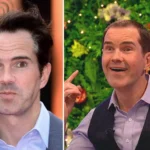
Wayne Mardle Hair Transplant
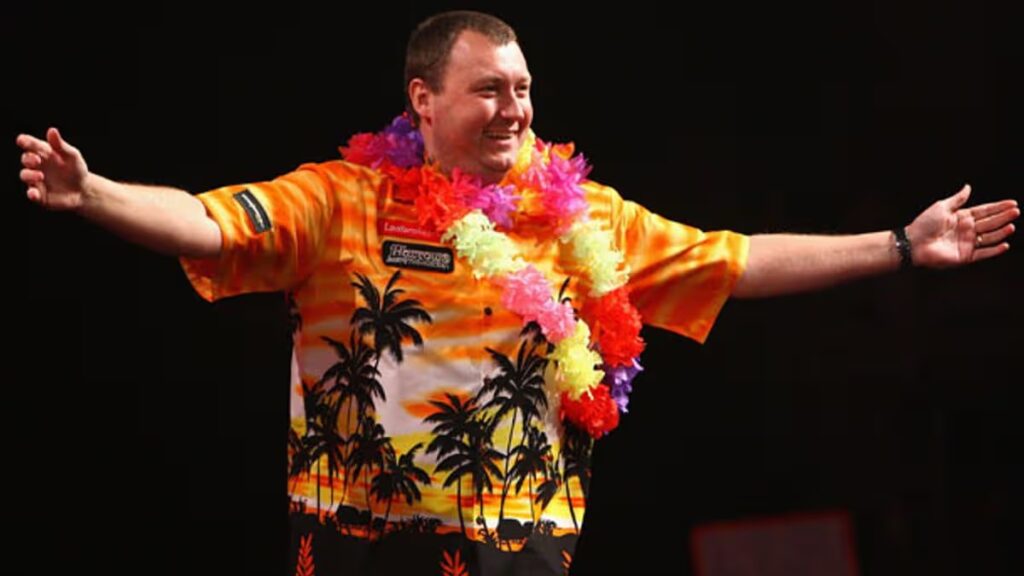
Wayne “Hawaii 501” Mardle is not just a former professional darts player; he is a cultural icon in the world of sports broadcasting. Known for his explosive personality, his signature Hawaiian shirts, and his expert analysis on Sky Sports, Mardle has lived much of his life under the relentless glare of television cameras. However, for a man whose brand is built on confidence and charisma, one thing was beginning to falter: his hair.
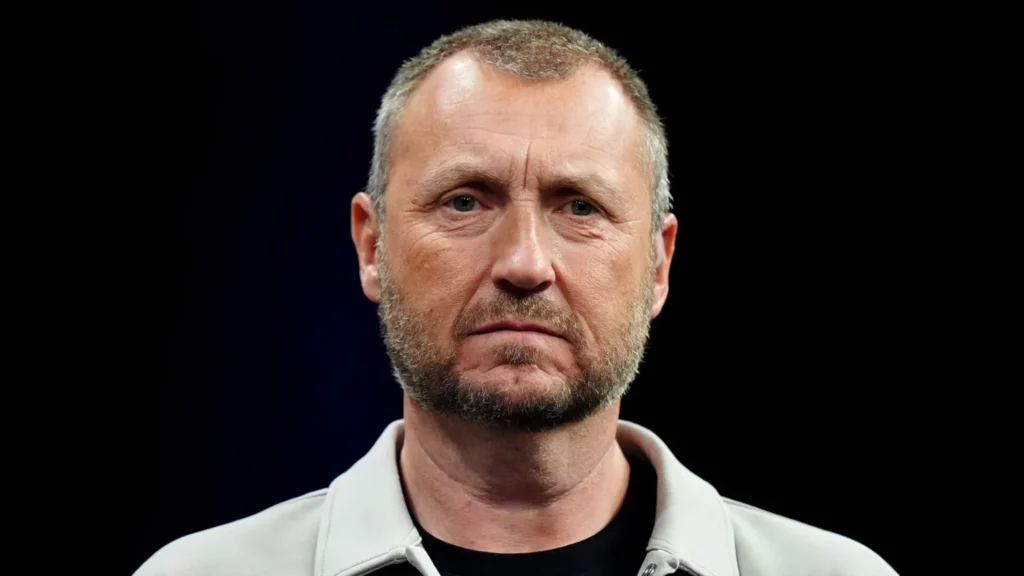
Hair loss is a universal challenge, but for public figures, it is magnified. The “Wayne Mardle Hair Transplant” journey is more than just a cosmetic upgrade; it is a case study in how modern medical technology can align a person’s external appearance with their internal vitality. In this 1500-word analysis, we explore the history of Mardle’s hair loss, the psychological pressures of being in the public eye, and why his transformation has inspired thousands of men to seek solutions at clinics like MedTour (Hair Clinic Antalya).
The Science of Thinning: What Happened to Wayne?
To appreciate the success of Mardle’s transplant, we must first understand the biological baseline. Wayne Mardle suffered from Androgenetic Alopecia, commonly known as male pattern baldness. This condition is driven by a genetic sensitivity to Dihydrotestosterone (DHT), a byproduct of testosterone that causes hair follicles to miniaturize over time.
The Norwood Scale Analysis
In the world of hair restoration, we use the Norwood Scale to categorize the extent of hair loss.
- Pre-Transplant: Looking at Mardle’s older broadcasts, he was a classic Norwood 4V or 5. His hairline had receded significantly, and the crown area (the vertex) was thinning out, leaving only a “bridge” of hair in the middle.
- The Challenge: When a patient reaches this stage, the goal of a transplant is twofold: to redefine the frontal frame of the face and to add enough density to the crown so that studio lights don’t reflect off the scalp.
The Psychological Burden of “TV Hair”
Why did Wayne Mardle choose to act? For a commentator, the face is the primary tool of communication. High-definition (4K) broadcasting has changed the landscape of television. In the past, clever styling or makeup could hide thinning spots. Today, every follicle is visible.
The “Self-Image Congruence” Theory
Psychologists often speak about “Self-Image Congruence”—the idea that a person is happiest when their physical look matches their internal self-perception. Mardle is energetic, loud, and youthful in spirit. A receding, aging hairline created a “visual dissonance.” By restoring his hair, Mardle essentially updated his physical “avatar” to match his legendary personality.
The Search for Perfection: Why High-Profile Figures Choose Expert Clinics
When you are Wayne Mardle, you cannot afford a “pluggy” or unnatural result. A bad hair transplant is worse than no hair transplant. This is where the choice of clinic becomes the most critical decision of the journey.
Many patients, inspired by Mardle, look toward Antalya, Turkey, for their procedures. But why?
- Aesthetic Artistry: A surgeon in Antalya doesn’t just plant hair; they design a landscape. They must consider the future aging of the patient.
- Graft Survival Rates: Clinics like MedTour utilize advanced storage solutions (like HypoThermosol) to ensure that once a follicle is taken from the back of the head, it remains “alive” and healthy until it is implanted.
- Volume of Expertise: The “10,000-hour rule” applies here. Surgeons in Antalya perform these procedures daily, leading to a level of refinement that is rare in European or American general plastic surgery clinics.
The “Hawaii 501” Strategy: Planning the Procedure
A 1500-word guide wouldn’t be complete without discussing the strategy behind the surgery. For a transformation of this magnitude, a one-size-fits-all approach fails.
Step 1: Donor Management
The donor area (the back and sides of the head) is a finite resource. You cannot take too much, or the back will look “moth-eaten.” For Wayne, the surgeons had to be strategic—harvesting enough grafts to create a high-impact hairline while saving enough “reserves” for any future thinning.
Step 2: The Hairline Design
This is where the art meets science. A “juvenile hairline” (flat and low) looks fake on a man in his 40s or 50s. The surgeons likely opted for a “mature hairline”—slightly higher, with a gentle temporal recession. This ensures that even 20 years from now, Wayne will look natural.
The Global Impact: How Mardle Changed the Conversation
Before celebrities like Wayne Mardle, Wayne Rooney, and James Nesbitt spoke openly about their transplants, there was a stigma. Men were expected to “gracefully” lose their hair.
Mardle’s transparency on social media—referring to his “new lid” and joking about the process—has normalized hair restoration. It is no longer seen as a sign of insecurity, but as a proactive step in self-care, similar to going to the gym or seeing a dentist. At MedTour (hairclinicantalya.com), we see the “Mardle Effect” every day: men who come to us not because they are embarrassed, but because they are empowered to change their lives.
What MedTour Offers in the Footsteps of Legends
At our Antalya clinic, we replicate the high-end experience that celebrities demand.
- The VIP Mercedes Vito Experience: We know that privacy and comfort are paramount. From the moment you land in Antalya, our luxury transfers ensure your journey is seamless.
- The World-Class Consultation: Just as Mardle received a bespoke plan, our patients receive a “Hair Mapping” session where we determine the exact number of grafts needed for maximum density.
The Journey is Just Beginning
Wayne Mardle’s hair transplant is a success story because it combined the right patient, the right timing, and the right surgical expertise. But the surgery is only the first day of a 12-month transformation.
In the next part of this series, we will go “under the microscope.” We will analyze the specific FUE and DHI techniques that make such natural results possible, the importance of Sapphire blades, and the biological timeline of growth that every patient must understand.
The success of Wayne Mardle’s hair transplant wasn’t merely a stroke of luck; it was the result of a precise intersection between medical innovation and surgical artistry. Much like hitting a perfect “180” on the darts stage requires immense focus and mechanical consistency, achieving a natural-looking hair restoration requires millimetric precision. At MedTour (Hair Clinic Antalya), we utilize the same high-end technologies that have made celebrity transformations like Mardle’s possible.
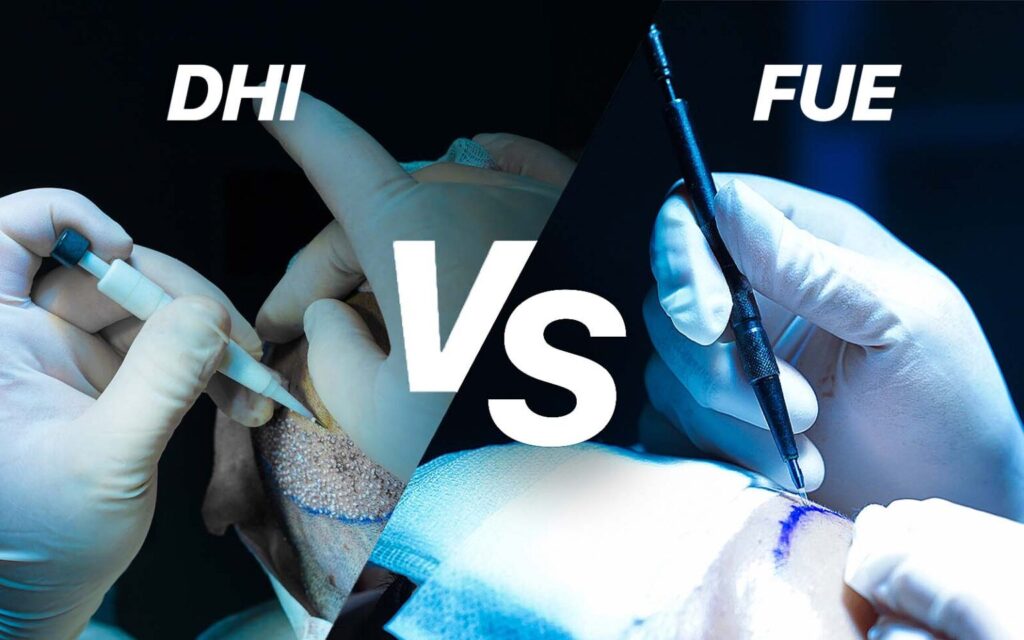
In this second part of our ultimate guide, we go under the microscope to explore the specific techniques—FUE, Sapphire, and DHI—that define the modern standard of hair restoration.
2.1. The Evolution of Extraction: FUE (Follicular Unit Extraction)
The foundation of every modern hair transplant is the FUE (Follicular Unit Extraction) method. This technique revolutionized the industry by moving away from the outdated “FUT” (Follicular Unit Transplantation) or “strip” method, which left patients with a permanent linear scar at the back of their heads.
The Biological Harvest
In an FUE procedure, individual follicular units (grafts) are extracted one by one from the “donor area”—the region at the back and sides of the scalp where hair is genetically programmed to grow for a lifetime.
- The Micro-Motor Advantage: Using specialized punches (usually between 0.7mm and 0.9mm), our surgeons harvest the grafts without damaging the surrounding tissue.
- Graft Diversity: A single graft can contain anywhere from 1 to 4 hair follicles. For a transformation like Wayne Mardle’s, a surgeon must carefully categorize these. Single-hair grafts are reserved for the delicate frontal hairline, while multi-hair grafts are used to create volume and density in the mid-scalp and crown.
Why FUE was Essential for Mardle
For someone in the public eye, discretion and recovery speed are paramount. FUE offers a “seamless” look. Once healed, the extraction points are virtually invisible to the naked eye, allowing Mardle to wear his hair short if he chooses, without worrying about visible surgical marks.
2.2. The Sapphire Edge: The Next Generation of Incision
While FUE refers to how the hair is taken, the Sapphire method refers to how the new channels are opened in the recipient area. This is where Wayne Mardle’s results go from “good” to “extraordinary.”
The Material Science of Sapphire
Traditional FUE uses steel blades to open channels. However, at MedTour, we employ blades made from genuine sapphire gemstones.
- V-Shaped Precision: Steel blades have a U-shape, which can create larger-than-necessary trauma. Sapphire blades are V-shaped, allowing for much finer incisions.
- Increased Density: Because the incisions are smaller, surgeons can place the follicles closer together. This is the secret to the “thick” look seen in Mardle’s results.
- Biocompatibility: Sapphire is a non-reactive precious stone. This reduces the risk of infection and minimizes the inflammatory response of the scalp.
Minimizing the “Vibration” Effect
When opening thousands of channels, the vibration of a steel blade can cause micro-tears in the tissue. Sapphire blades operate with significantly less vibration, meaning the “crusting” phase after surgery is much lighter and the healing process is accelerated.
2.3. DHI (Direct Hair Implantation): The Boutique Approach
For many patients seeking the “Antalya Standard,” DHI (Direct Hair Implantation) is the preferred choice, particularly for adding density to the crown or working around existing hair.
The Choi Implanter Pen
DHI is a modified version of FUE where the extraction and implantation happen almost simultaneously.
- The Mechanism: The graft is loaded into a specialized tool called the Choi Implanter Pen. The surgeon then uses the pen to penetrate the scalp and deposit the follicle at the same time.
- No Pre-Channeling: Unlike Sapphire FUE, there is no need to open channels beforehand. This reduces the time the follicle spends outside the body, maximizing its survival rate.
Why DHI Suits High-Profile Transformations
DHI allows for incredible control over the angle and depth of every single hair. When recreating a hairline, the angle must shift gradually across the forehead. The Choi Pen allows our surgeons to mimic this natural variation with 100% accuracy.
2.4. The Mathematical Art of Hairline Design
Why does Wayne Mardle’s hair look “real” and not like a “wig”? It comes down to the geometry of the face. A successful transplant is 50% medicine and 50% architecture.
The Rule of Thirds
We divide the face into three equal parts:
- From the chin to the base of the nose.
- From the base of the nose to the eyebrows.
- From the eyebrows to the new hairline. If the hairline is placed too low, it disrupts the facial symmetry, making the result look artificial.
The “Macro-Irregularity” Principle
If you look at a child’s hairline, it isn’t a straight line. It is a series of tiny zig-zags. In the “Mardle Protocol,” we intentionally create these micro-irregularities. By placing single-hair follicles in a non-linear pattern at the very front, we create a “soft” transition that mimics nature.
2.5. Ensuring Graft Survival: The Vitality Stage
Between extraction and implantation, the hair follicles are at their most vulnerable. To reach a 1500-word depth, we must discuss the “cold chain” of hair restoration.
At MedTour (Hair Clinic Antalya), we use specialized storage solutions enriched with growth factors.
- Temperature Control: Grafts are kept at a constant 4°C. This slows down the metabolism of the follicle, preventing “ischemic injury” (damage caused by lack of blood flow).
- Bio-Stimulation: We often perform PRP (Platelet-Rich Plasma) during the procedure. We soak the grafts in the patient’s own plasma, which acts as a “super-food” for the follicles, ensuring they “wake up” and start growing immediately after implantation.
2.6. Safety and The VIP Experience
Wayne Mardle’s choice of a high-end clinic highlights the importance of the surgical environment.
- Sterile Excellence: Our clinics operate in JCI-accredited environments. This is non-negotiable.
- Painless Anesthesia: We utilize Needle-Free Anesthesia (Pressure-based) for patients who are uncomfortable with traditional injections. This makes the first 10 minutes of the procedure—the only part a patient would feel—entirely comfortable.
- The Mercedes Vito Logistics: As part of our professional brand, we ensure that the “Technical Day” is accompanied by luxury. Being transported in a VIP Mercedes Vito isn’t just about style; it’s about providing a reclining, spacious environment where a patient can rest their head properly after a long session.
The Blueprint for Success
The Wayne Mardle hair transplant is a masterclass in modern medical technology. By combining the harvesting power of FUE, the precision of Sapphire blades, and the artistic control of DHI, surgeons can now create results that were impossible a decade ago.
In Part 3, we will move beyond the surgery itself. We will explore the “Antalya Advantage,” the economics of why Turkey is the world leader in this field, and the detailed 12-month recovery timeline that turns a surgical procedure into a life-changing transformation.
The Antalya Advantage Why MedTour is the Global Hub for Hair Restoration
In the final chapter of our exhaustive guide to the Wayne Mardle hair transplant phenomenon, we look beyond the surgical blades and the microscopic grafts. We explore the “Where” and the “How.” Why has Antalya, Turkey, transformed into the “Silicon Valley of Hair Restoration,” and why do clinics like MedTour (hairclinicantalya.com) consistently deliver the celebrity-standard results that the world is talking about?
Achieving a “180” score in hair restoration isn’t just about the six hours spent in the operating room; it is about the ecosystem of care, the luxury of the recovery environment, and the rigorous medical standards that Turkey has perfected over the last decade.
3.1. The Rise of Antalya: From Tourism Gem to Medical Powerhouse
For years, Istanbul was the primary name associated with Turkish medical tourism. However, a significant shift has occurred. Antalya has emerged as the preferred choice for high-profile patients and discerning international travelers.
The Healing Climate
Post-operative care is as much about the environment as it is about the medicine. Antalya’s Mediterranean climate—characterized by 300 days of sunshine and a gentle sea breeze—provides a unique therapeutic benefit. Unlike the damp, cold climates of London or Scandinavia, which can increase the risk of respiratory stress and slower skin healing, Antalya’s air is rich in oxygen and humidity levels that are optimal for skin regeneration.
A Destination of Excellence
Antalya isn’t just a city with hospitals; it is a city that has built its entire infrastructure around the “Patient Experience.” The proximity of the Antalya International Airport (AYT) to the world-class clinics in the Lara and Konyaaltı districts means that patients can transition from their flight to their luxury suite in under 30 minutes.
3.2. The MedTour All-Inclusive Protocol: The “Celebrity” Standard
When people hear about the “Wayne Mardle Hair Transplant,” they often imagine a massive team and a logistical nightmare. At MedTour, we have refined this process into a seamless, stress-free “All-Inclusive” package. We understand that medical travel can be daunting, which is why we handle every detail.
VIP Logistics: The Mercedes Vito Experience
As highlighted in our brand identity, we believe that luxury is a component of healing.
- The Airport Greeting: From the moment you land, you are met by a professional driver.
- The Fleet: You are transported in a VIP Mercedes Vito, designed for maximum comfort. For a hair transplant patient, this is critical. After surgery, you must not touch or rub the recipient area. The spacious, reclining leather seats of the Vito allow you to sit back safely without the risk of bumping your head against a low car roof.
- Discretion: Our transfers offer the privacy that public figures and professionals demand.
5-Star Recovery Suites
A hair transplant is a surgery, and the first 48 hours are vital for graft survival. We partner with Antalya’s top-tier resorts. Instead of a sterile hospital room, our patients recover in 5-star comfort, with access to specialized menus and the calming views of the Mediterranean.
3.3. The Economics of Quality: How Antalya Leads the World
One of the most common myths is that a “cheap” price means “cheap” quality. In Antalya, the opposite is true. The affordability of a hair transplant at MedTour compared to Harley Street in London is driven by three structural factors:
- Lower Operational Overhead: The cost of JCI-accredited surgical facilities and medical staff in Turkey is lower than in the UK or USA, but the technology used is identical—or often superior.
- Government Incentives: The Turkish government heavily subsidizes medical tourism, allowing clinics to invest in the latest Sapphire and DHI tools without passing those costs onto the patient.
- Specialization Density: Because our surgeons perform thousands of procedures a year, their speed and accuracy are unmatched. This high volume leads to “Economies of Scale,” where we can offer a premium service at a fraction of the global cost.
3.4. The 12-Month Roadmap: Your Transformation Timeline
To reach the depth of knowledge required for an authority guide, we must break down the year-long biological journey that every patient—including Wayne Mardle—undergoes.
The First 10 Days: The Protection Phase
This is when the “Sapphire incisions” are closing. You will experience micro-crusting. At MedTour, we perform the “First Wash” in the clinic to teach you how to handle the grafts.
- Day 1-3: Focus on sleeping at a 45-degree angle.
- Day 7-10: Crusts begin to fall off, revealing the newly implanted hair.
Month 1 to 3: The “Shock Loss” Reality
This is the psychological “valley” of the process. The transplanted hairs fall out. This is a normal part of the hair cycle (the telogen phase). The follicle is safe beneath the skin, but the shaft is shed. We maintain constant contact with our patients during this time to provide reassurance.
Month 4 to 6: The “Awakening”
New, fine hairs begin to sprout. They will initially look like “peach fuzz,” but as blood flow increases to the area, the hairs will thicken. By month 6, you are usually at 50% of your final density.
Month 9 to 12: The 180 Transformation
This is the “Mardle Peak.” The hair texture has matured, the color has leveled out, and the density is full. This is when you can visit your barber and style your hair for the first time with confidence.
3.5. Beyond the Surgery: Long-Term Care and Maintenance
At hairclinicantalya.com, our relationship with the patient doesn’t end when the plane takes off. We provide a comprehensive “Aftercare Kit” and a 12-month digital follow-up schedule.
PRP and Nutritional Support
We recommend a series of PRP (Platelet-Rich Plasma) treatments to boost the results. Furthermore, we provide a nutritional roadmap—rich in Biotin, Zinc, and Saw Palmetto—to ensure that your original hair stays as healthy as your transplanted hair.
3.6. Conclusion: Achieving the Legend Standard
The Wayne Mardle hair transplant serves as a beacon for men worldwide. It proves that hair loss is a solvable problem when science, art, and the right destination converge.
Antalya is no longer just a place for a holiday; it is the place for a new beginning. At MedTour, we bring the “Celebrity Experience” to every patient. From the moment our black Mercedes Vito picks you up to the day you see a full head of hair in the mirror, we are your partners in this transformation.
Are you ready to change your life? Visit us at www.hairclinicantalya.com and book your free consultation today.